14 November 2025
The faint skittering in the walls at night, the tell-tale droppings in the kitchen cupboard, the gnawed edges of a cereal box—these are the unmistakable signs of a mouse infestation. For generations, the first line of defense has been a simple, yet profoundly effective device: the snap trap. While its design appears straightforward, its effectiveness is almost entirely dependent on correct setup and placement.
A haphazardly set trap is little more than a free meal for a clever rodent. This comprehensive guide will walk you through every critical step, from understanding the mechanics of the trap to advanced strategic placement, ensuring that your efforts in pest control are successful, swift, and humane. Mastering the art of setting a snap trap is a crucial skill for any homeowner, and it begins with choosing the right tool for the job.
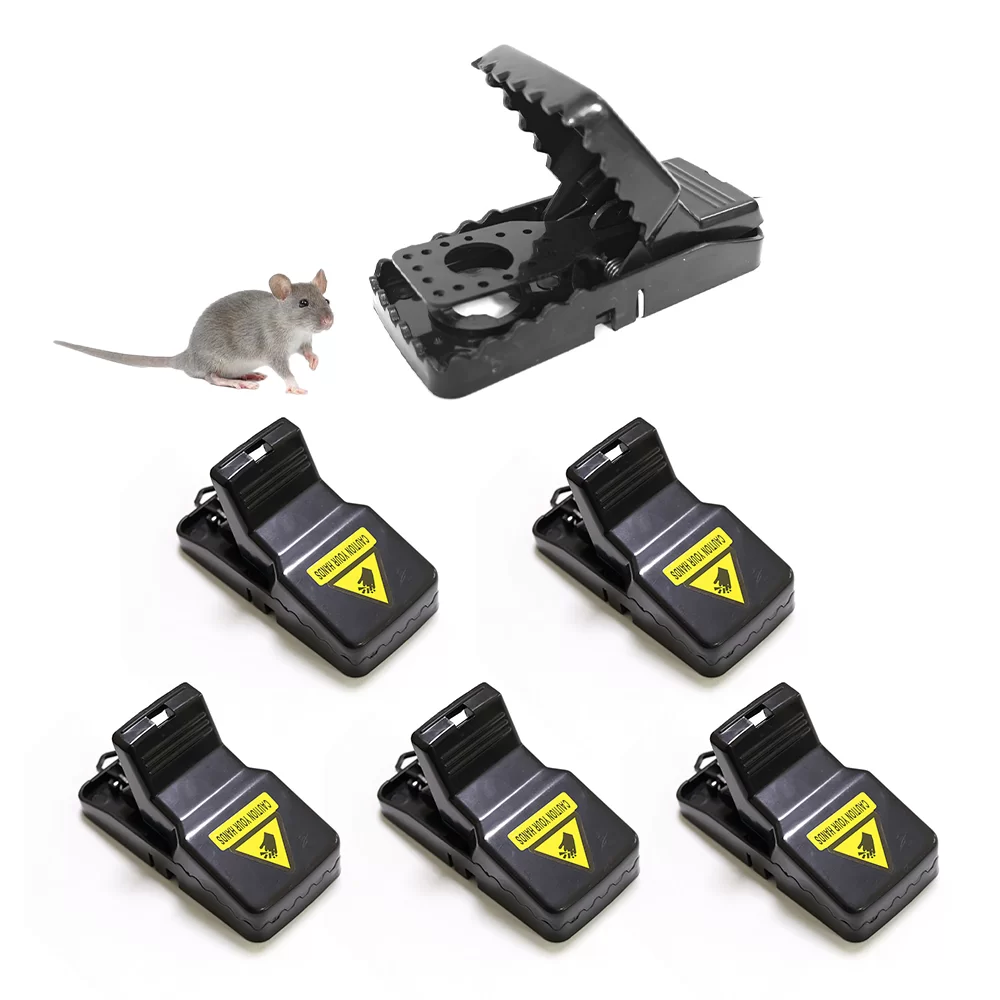
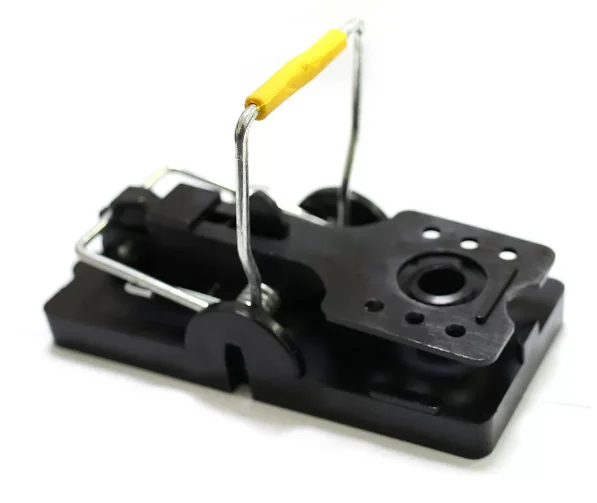
Before your fingers ever touch the trigger mechanism, it is essential to understand the device you are about to employ. The classic snap trap is a marvel of simple physics, designed to deliver a quick, decisive blow. The core components are the base, the powerful spring or wire strike bar, the holding bar, and the trigger pedal. When the mouse ventures onto the trap to investigate the bait, its weight depresses the trigger pedal, which dislodges the holding bar and releases the full force of the spring-driven strike bar.
Companies like Hebei Archerfish Network Technology Co., Ltd. have invested in refining these devices for maximum efficacy and user safety. Their version of the trap incorporates durable polystyrene and steel construction, making it more resilient to moisture and wear than traditional all-wood traps. A key innovation is the oversized trigger paddle. This larger surface area dramatically increases the chances of activation, as a mouse only needs to step anywhere on the paddle to trigger the mechanism, unlike older models that required precise pressure on a small trigger. Furthermore, the vertical strike bar is engineered to travel half the distance of old-fashioned wooden traps, resulting in a faster, more definitive action that minimizes suffering.
While the snap trap is the focal point of this guide, it exists within a broader ecosystem of rodent control solutions. The landscape of types of rodent traps is diverse, each with its own advantages and drawbacks.
l First, there are live capture traps, which confine the rodent alive without harming it. These are often favored for their perceived humanity but come with the significant drawback of requiring you to then relocate the animal, which can be stressful for both you and the rodent and is illegal or ecologically unsound in many areas.
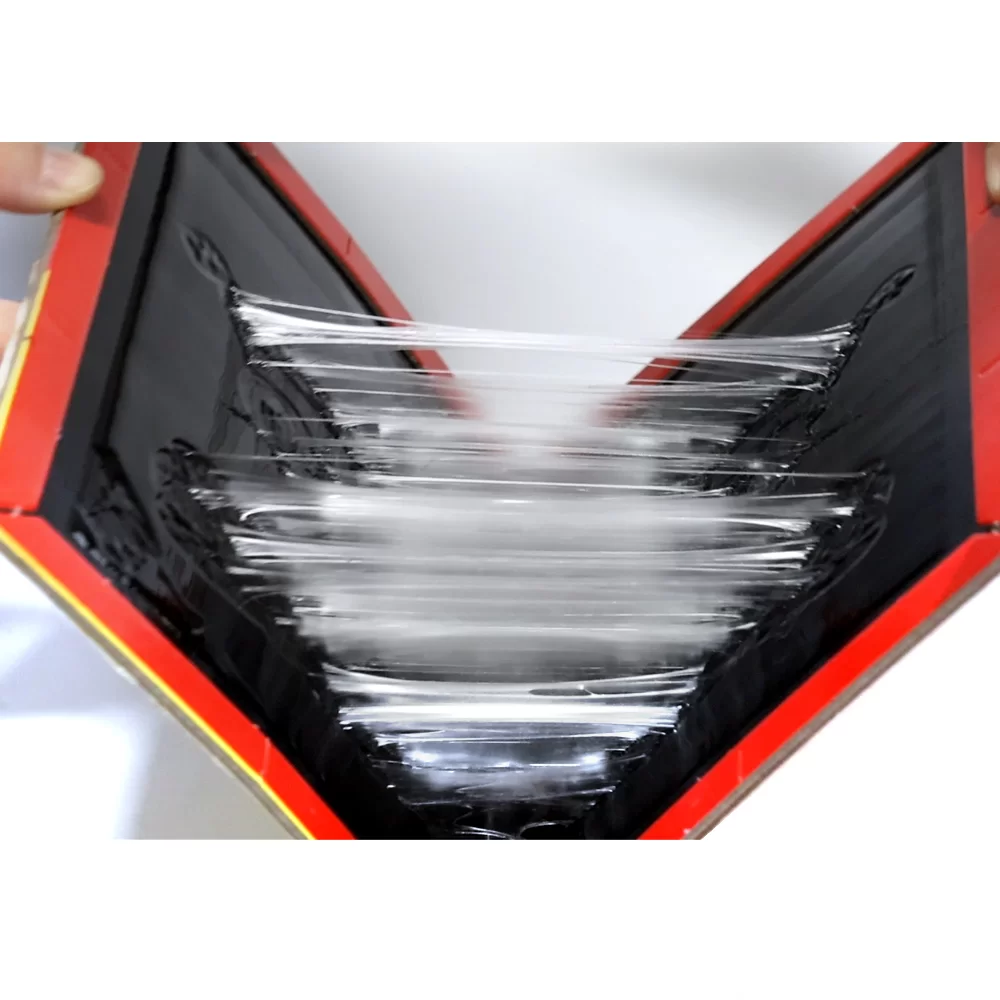
l Second, glue traps use a strong adhesive to immobilize the rodent. These are highly controversial due to the prolonged suffering they can cause and the messy, inhumane disposal process.
l Third, electronic traps deliver a high-voltage shock that kills the rodent quickly. These are effective but tend to be more expensive and require a power source or batteries.
l Finally, the most direct analogue to the classic snap trap is the wire mouse trap. It is known for its extreme power and durability, making it suitable for larger mice or even rats, though its setting process can require more hand strength and caution.
Hebei Archerfish Network Technology Co., Ltd. ‘s core products, which include these various types of rodent traps alongside other pest control solutions, are backed by a company culture where Quality is our lifeline.For those seeking a modern, user-friendly, and highly effective solution, their polystyrene and steel snap trap, with its one-click set and release and no-touch design, represents a significant evolution from the basic wooden trap, incorporating the best features of various types of rodent traps into a single, optimized product.
A correctly set trap is sensitive, safe, and ready for action. Let's break down the process into a fail-proof sequence.We will use the modern snap trap design as exemplified by products from Hebei Archerfish, which integrate user-friendly features without compromising on power.
l Safety First and Preparation. Always wear gloves when handling new or used traps. Rodents have a keen sense of smell, and the oils from your skin can transfer a human scent that might deter them. Inspect the trap for any damage, such as a cracked base or a weakened spring.
l The Baiting Ritual. The goal of bait is to lure the mouse onto the trigger pedal and encourage it to apply downward pressure. Do not smother the trap in a large glob of bait; this allows the mouse to snatch food without triggering the mechanism. Instead, use a tiny, viscous amount—about the size of a pea. Peanut butter is the gold standard due to its strong scent and sticky consistency, which forces the mouse to work at it. Other effective baits include chocolate, nutmeat, or bacon.
l The Act of Setting. Hold the trap firmly by the base in one hand. With your other hand, carefully pull the powerful steel strike bar back and over the trap until it is secured by the holding bar. You should feel and hear a distinct "click" when it is properly engaged. On a well-designed trap, this should require moderate but manageable force.
l Strategic Placement. A set trap is useless in the wrong location. Do not place traps randomly in the middle of a room. Mice are creatures of habit that travel along walls, using them as guides and for cover. Place traps perpendicular to walls, with the trigger end flush against the baseboard. This forces the mouse to cross directly over the trigger as it scurries along its pathway. Ideal locations include behind appliances, in dark corners of cabinets, in attics, and in basements.
The most frequent error is using too much bait. An excessive amount allows the rodent to eat without fully committing its weight to the trigger pedal, resulting in a "robbed" trap that never fires. The mouse gets a free meal and learns that the trap is a food source, not a danger.
First, the bait may be too small or placed incorrectly, causing the trap to be triggered by a slight nudge rather than the animal's full weight.
Second, the trap might be too sensitive or not set correctly on a stable surface.
Third, you could be dealing with a very small or cautious mouse that is able to trigger the trap and jump back quickly.
Both designs can be highly effective when used correctly. A wire mouse trap is typically very powerful and durable, often made entirely of metal, which can be advantageous for larger infestations or in damp environments. The modern plastic-and-steel snap trap, however, often incorporates user-friendly improvements like easier setting mechanisms, larger trigger paddles, and no-touch disposal. The choice often comes down to personal preference and the specific context.
The best practice is to place set traps in areas completely inaccessible to your pets, such as inside voids in walls, behind secured kickboards, or in enclosed spaces like a cabinet with a small access hole. You can also build or purchase protective bait stations that allow mice to enter but block larger animals. If pet safety is a primary concern, you might also explore other types of rodent traps like well-designed live traps or electronic traps that are fully enclosed.
For a suspected infestation, the rule of thumb is "more is better." Start by setting a minimum of 5-10 traps in high-probability areas. Leave them in place for at least a week, checking and re-baiting them daily if necessary. If you stop catching mice after a successful period, leave a few traps set in strategic locations as a monitoring system.
The humble snap trap remains a powerhouse of residential pest control when deployed with knowledge and precision. By selecting a well-engineered product from a committed manufacturer, understanding its mechanics, executing a meticulous setting and baiting protocol, and employing advanced strategic placement, you can effectively and humanely reclaim your home from unwelcome rodent guests. The process is a testament to the fact that even the simplest tools achieve greatness not by existing, but by being used correctly.
Feb 12, 26
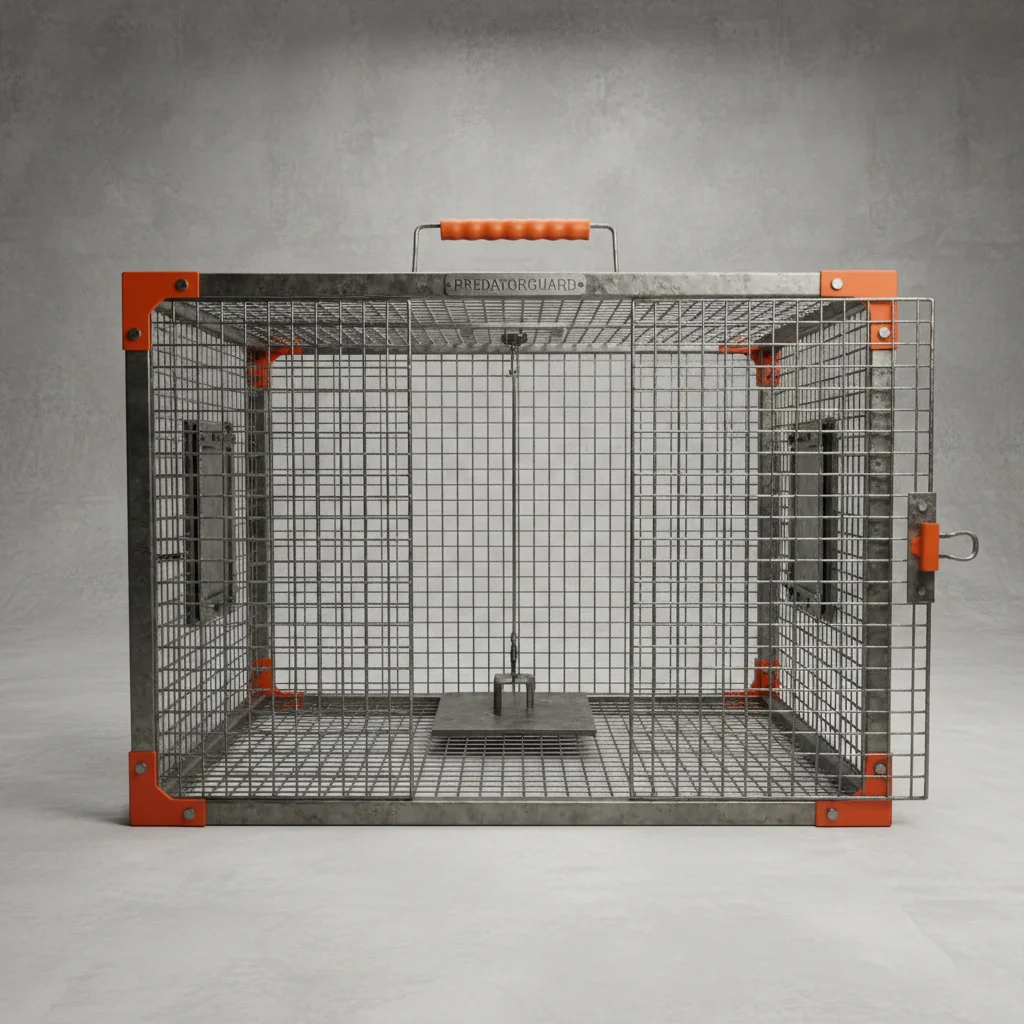
Innovative Cage Trap Technology for Rapidly Deployable Infrastructure Solutions

Jan 19, 26
Humane Cat Traps for Sale That Work for Stray Cats
Finding humane cat traps for sale is essential for safely managing stray or feral cat populations.

Feb 06, 26
Invest in a Comfortable and Heavy Duty Garden Kneeler and Seat
Mar 13, 26
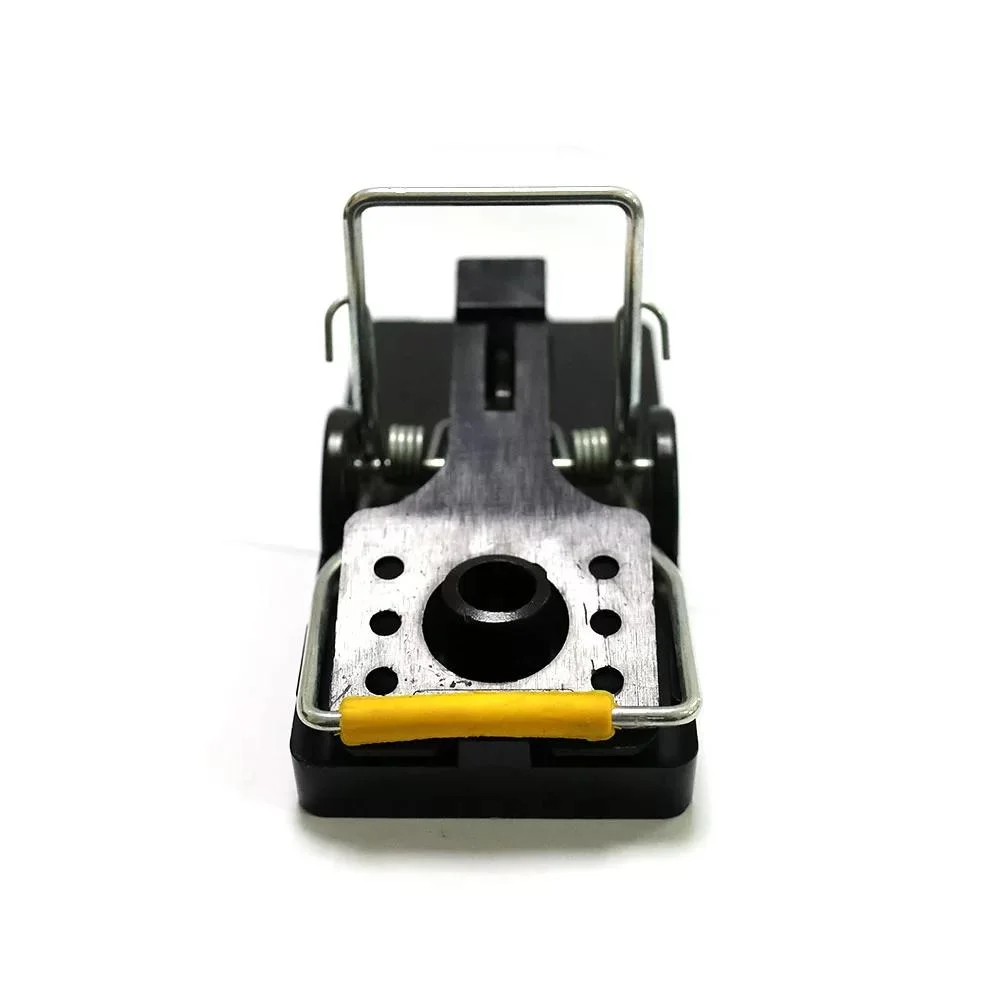
Types of Rodent Traps: Choosing the Right Solution for Effective Rodent Control
Rodent infestations can cause serious problems in homes, farms, warehouses, and commercial facilities.