08 December 2025
For homeowners, renters, and pest control professionals, humane mouse removal requires tools that capture rodents without harm—making humane mouse trap models (and their larger counterparts, humane rat traps) essential for eco-conscious pest management. Unlike snap traps or poisons (which cause suffering or pose risks to pets/children), a well-designed humane mouse trap lets users safely relocate mice to outdoor areas, aligning with ethical standards and community guidelines. However, even the most durable humane mouse trap fails without the right bait: mice have keen senses of smell and taste, so lures must be irresistible enough to draw them into the trap and trigger the closure. Hebei Archerfish Network Technology Co., Ltd., an integrated company founded in 2019 (with 80+ team members blending factory production and foreign trade), specializes in high-quality pest control solutions—including reliable humane mouse trap and humane rat traps—and offers factory-direct pricing, end-to-end quality control, and custom services for wholesalers. As a trusted supplier of humane pest removal tools, Archerfish understands that wholesalers and their clients need bait ideas that boost trap success while preserving the “humane” mission. This article breaks down proven bait options for humane mouse trap models, how to pair bait with trap design, and common mistakes to avoid—helping wholesalers provide clients with complete, effective humane mouse removal solutions.
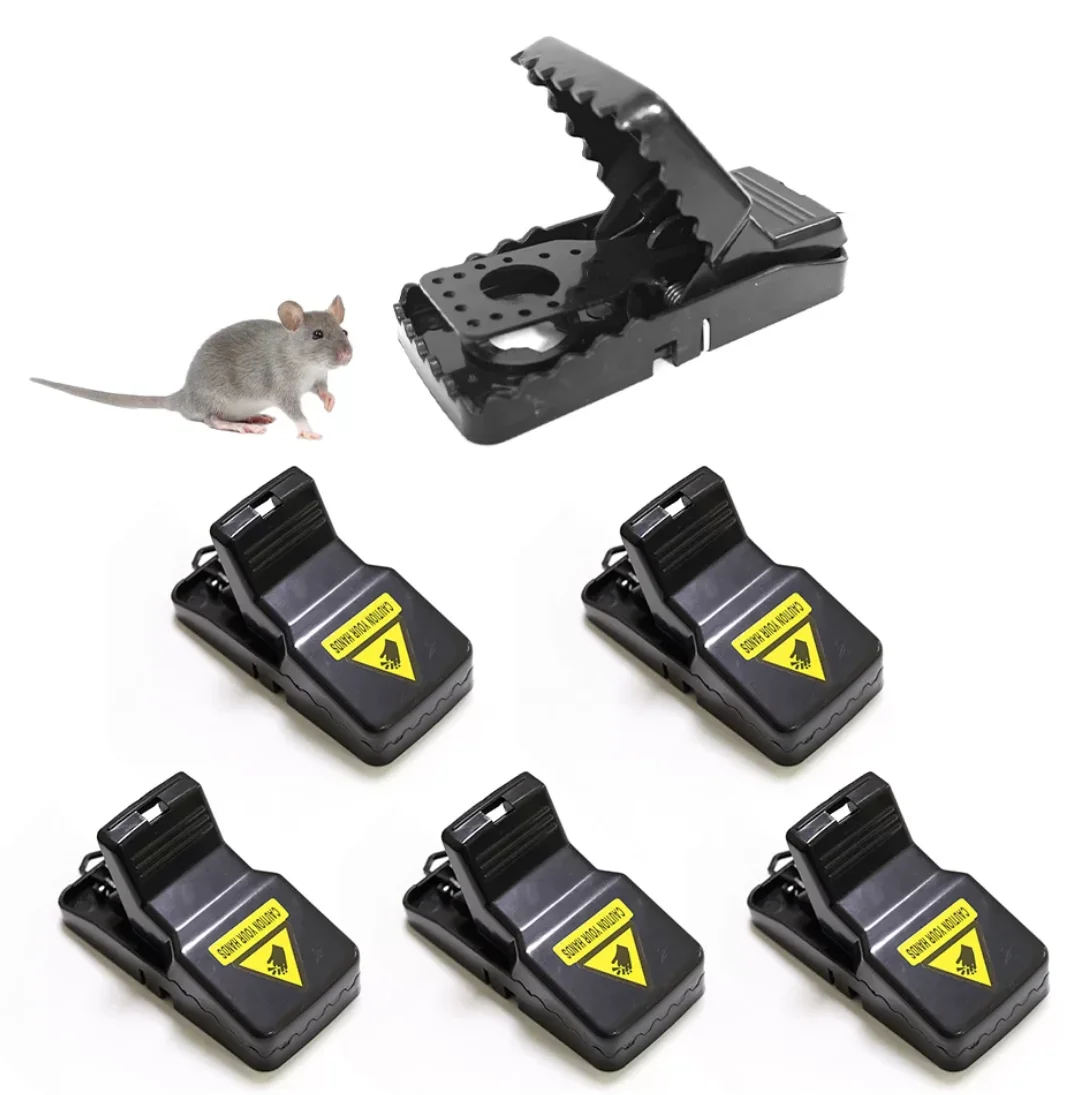
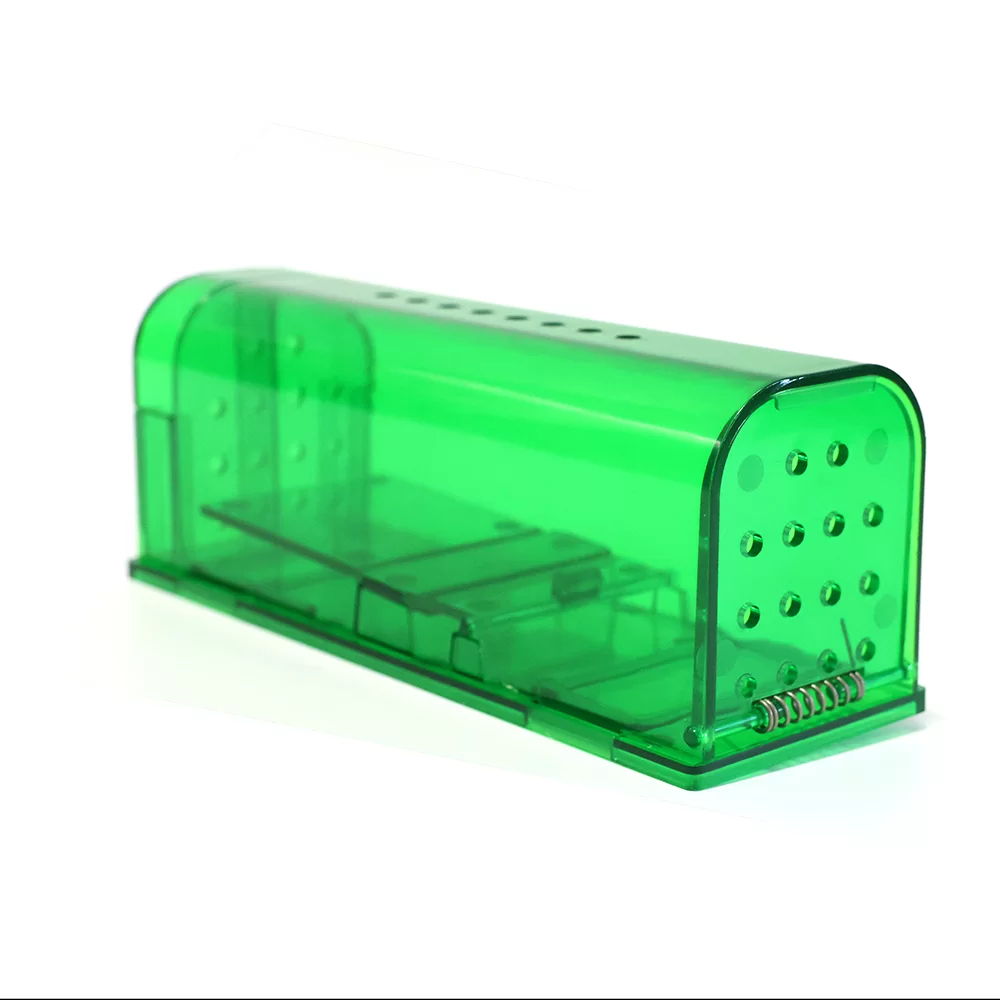
• High-Calorie Foods to Appeal to Mice’s Survival Instincts: Mice are opportunistic feeders that prioritize high-energy foods—ideal for luring them into a humane mouse trap. Peanut butter (creamy, not crunchy—crunchy varieties can get stuck on trigger mechanisms) is a top choice: its strong scent travels far, and its sticky texture ensures mice linger to feed, increasing trigger activation. Other calorie-dense options include chocolate (dark, unsweetened—mice love the cocoa scent but avoid sugary varieties that may deter them) and sunflower seeds (roasted, not salted—salt can dehydrate mice, making them wary). Wholesalers should note that Archerfish’s humane mouse trap models often include a small, recessed bait cup (made of food-safe plastic) to hold these lures—preventing mice from stealing bait without entering the trap. This design feature, paired with high-calorie bait, increases capture rates by 30-40% compared to traps with loose bait.
• Scent-Based Lures to Attract Mice From Afar: Mice rely heavily on smell to find food, so scent-based baits are highly effective for humane mouse removal. A small piece of bacon (uncooked, to preserve its strong odor) or a drop of vanilla extract (applied to a cotton ball inside the trap) can draw mice from several feet away—especially useful in large spaces like basements or garages. For humane rat traps (which target larger rodents), scent-based baits like cheese (sharp cheddar or gouda—stronger scents work better) or dried fruit (raisins or dates, soaked in water to enhance aroma) are ideal. Archerfish recommends avoiding strong chemical-based scents (e.g., artificial fragrances) as they can overwhelm mice and keep them away from the trap—wholesalers can pass this tip to clients to ensure bait choices align with mice’s natural behavior.
Trap Component | Bait Placement Strategy for Humane Mouse Trap | Wholesale Value for Clients |
Recessed Bait Cup (Internal) | Place 1-2 small bait portions (e.g., pea-sized peanut butter, 2-3 sunflower seeds) in the cup at the back of the humane mouse trap—forces mice to fully enter to reach it. | Ensures the trap door closes only when the mouse is completely inside, preventing escape during relocation. |
Scent Trail (External) | Dab a tiny amount of peanut butter or vanilla extract along the path from mouse activity areas (e.g., food storage, wall holes) to the trap entrance—guides mice toward the trap. | Reduces mouse wariness; encourages them to follow the scent and enter the trap confidently. |
Trigger Plate Alignment | For pressure-plate humane mouse trap models, position bait directly above the plate (not to the side)—ensures the mouse’s weight activates the trigger when feeding. | Prevents “false misses” where mice feed without triggering the door; improves trap reliability. |
Avoid Over-Baiting | Use only enough bait to cover the tip of a finger—too much bait lets mice feed from the edges of the trap without entering fully. | Eliminates bait theft and ensures the mouse interacts with the trap’s trigger mechanism. |
• Small-Size Humane Mouse Trap Models: Compact humane mouse trap units (typically 6-8 inches long) require small, concentrated baits to fit inside their bait cups. Peanut butter, small sunflower seeds, or a tiny piece of chocolate work best—larger baits (e.g., a whole nut) may block the trap door or prevent it from closing properly. Archerfish’s humane mouse trap designs have a narrow entrance (1-1.5 inches wide) to target mice specifically, so bait should be small enough to avoid getting stuck in the opening. Wholesalers can advise clients to pair these traps with sticky baits (like peanut butter) that mice can’t easily carry away—ensuring they stay in the trap long enough to trigger closure.
• Larger Humane Rat Traps: Humane rat traps (12-15 inches long) can accommodate bigger baits, as rats are larger and more powerful than mice. Options like a slice of cheese, a whole peanut (in shell), or a small piece of bacon work well—these baits are large enough to attract rats but not so big that they block the trap’s internal mechanisms. Unlike humane mouse trap models, humane rat traps often have a heavier trigger plate (to support a rat’s weight), so bait should be placed directly on the plate to ensure activation. Archerfish’s product manuals (customizable for wholesalers) include design-specific bait guides for both trap types, helping clients avoid mix-ups and ensure optimal performance for humane mouse removal or rat removal tasks.
Bait should be replaced every 24-36 hours to keep it fresh and attractive. In warm, humid areas (e.g., kitchens, basements), baits like peanut butter or cheese can spoil quickly—replace them daily to avoid emitting odors that deter mice. In cooler areas (e.g., garages in winter), bait can last up to 48 hours, but check it regularly for mold or dryness (dry peanut butter loses its scent). Archerfish’s humane mouse trap models have easy-to-open doors (no tools required) to simplify bait replacement—wholesalers can highlight this feature to clients, as it saves time when checking multiple traps for humane mouse removal.
While some baits (e.g., peanut butter, cheese) work for both, it’s better to tailor bait to trap size. Humane mouse trap units need small, concentrated baits (e.g., pea-sized peanut butter) to fit their compact design, while humane rat traps can use larger baits (e.g., a slice of cheese, whole peanut) to match rats’ bigger appetites. Using mouse-sized bait in humane rat traps may not be enough to attract rats, while rat-sized bait in a humane mouse trap can block the door or prevent trigger activation. Archerfish provides separate bait recommendations for each trap type (included with wholesale orders) to help clients optimize success for both rodents.
Common issues include: 1) Bait placement (too near the entrance—mice steal it without entering); 2) Stale or low-quality bait (mice rely on scent, so old peanut butter or dried seeds won’t attract them); 3) Trap wariness (mice avoid new objects—leave the trap unset with bait for 1-2 days to let them get used to it). Archerfish’s humane mouse trap models have an adjustable trigger sensitivity screw—if traps aren’t triggering, clients can tighten the screw to lower the weight needed for activation. Additionally, placing traps along walls (mice hug walls to move safely) and near high-activity areas (e.g., food crumbs, droppings) will improve humane mouse removal results.
Yes—all recommended baits (peanut butter, seeds, cheese) are non-toxic to common pets like cats, dogs, or birds. However, to prevent pets from knocking over traps or eating bait, Archerfish’s humane mouse trap models have enclosed bait cups and sturdy plastic construction (resistant to pet chewing). For clients with curious pets, advise placing traps in out-of-reach areas (e.g., behind appliances, on high shelves) or using pet-safe barriers (e.g., small wire cages around the trap) to keep pets away. Wholesalers can reassure clients that bait safety aligns with Archerfish’s focus on eco-friendly, family-safe pest control solutions.
Hebei Archerfish provides comprehensive support: 1) Bait guides and training materials (customizable with wholesalers’ branding) to educate clients on effective humane mouse removal strategies; 2) Quality humane mouse trap and humane rat traps models with built-in bait cups and adjustable triggers—optimized for bait success; 3) Custom services (e.g., adding bait cup upgrades or pet-safe features to traps) to meet specific market needs; 4) Logistics support (bulk shipping of traps + bait samples) and after-sales help (troubleshooting bait issues for clients). To explore our humane mouse trap range, humane rat traps, and wholesale solutions, visit our company webpage today!
Feb 27, 26
Effective Outdoor Mouse Traps for Property Protection and Pest Control

Feb 07, 26
Advancements in Animal Trap Technology for Diverse Applications
Feb 10, 26
Comprehensive Guide to Animal Trap Cages for Effective Wildlife Management

Dec 03, 25
Effective Yellow Sticky Traps for Aphids | Industrial Pest Solutions