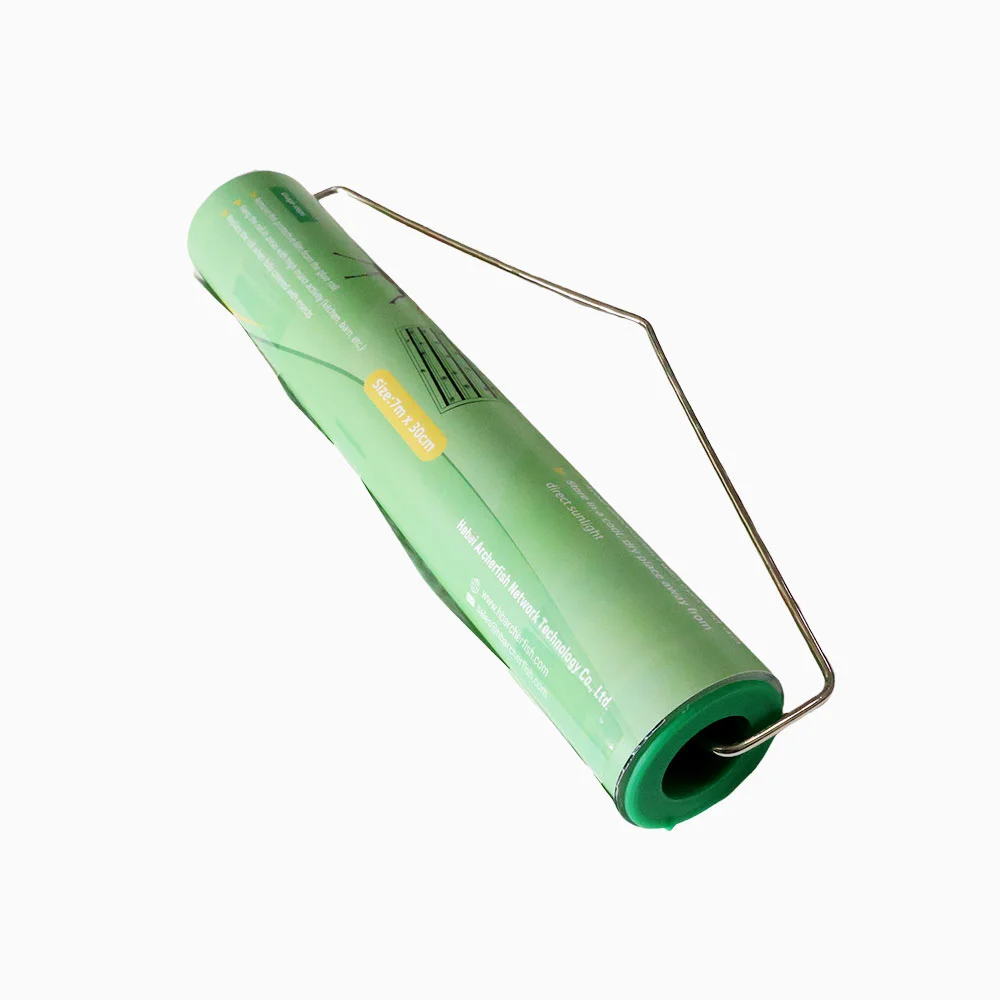
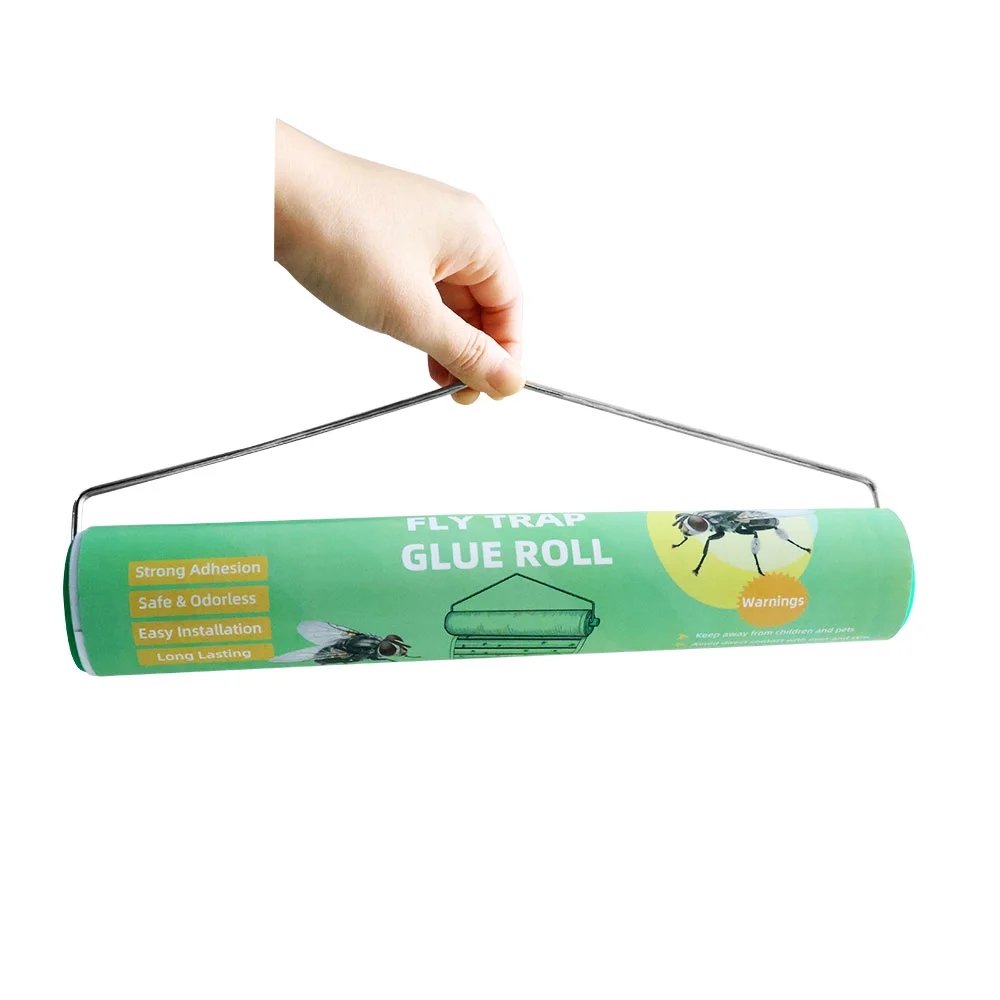
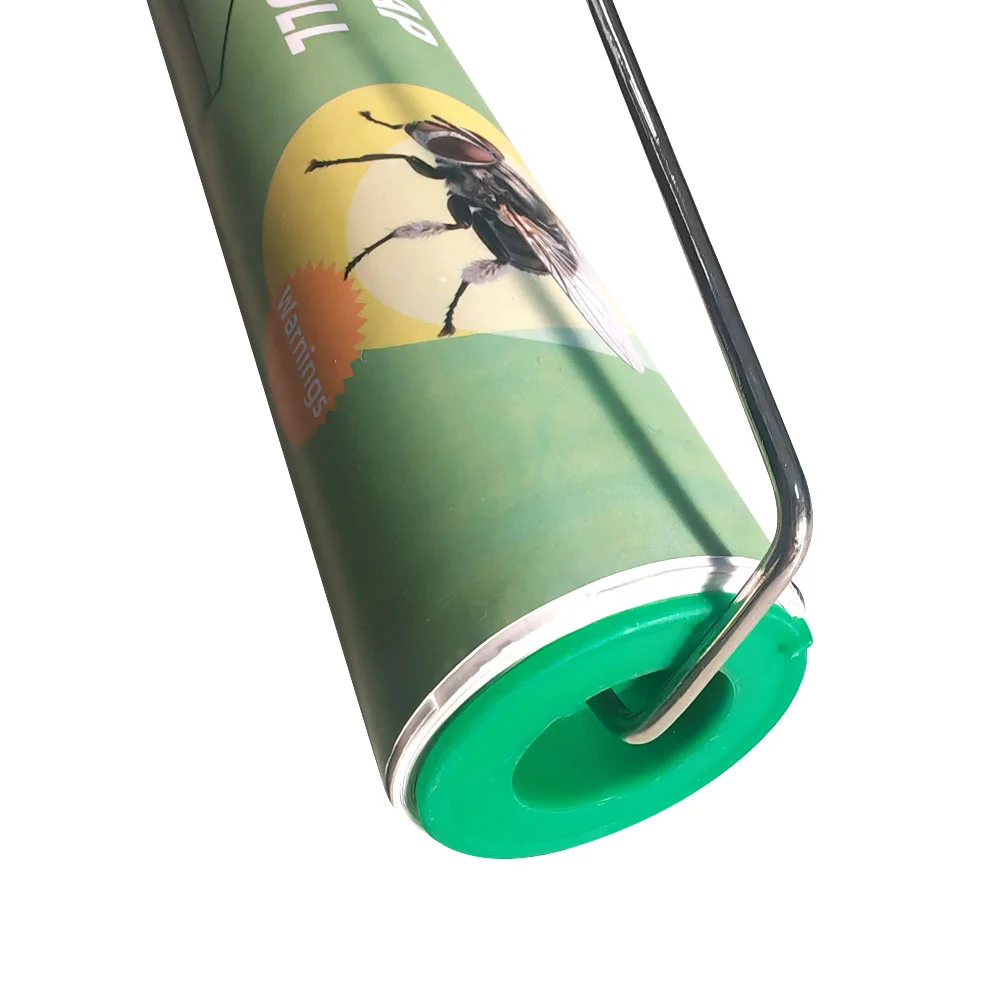
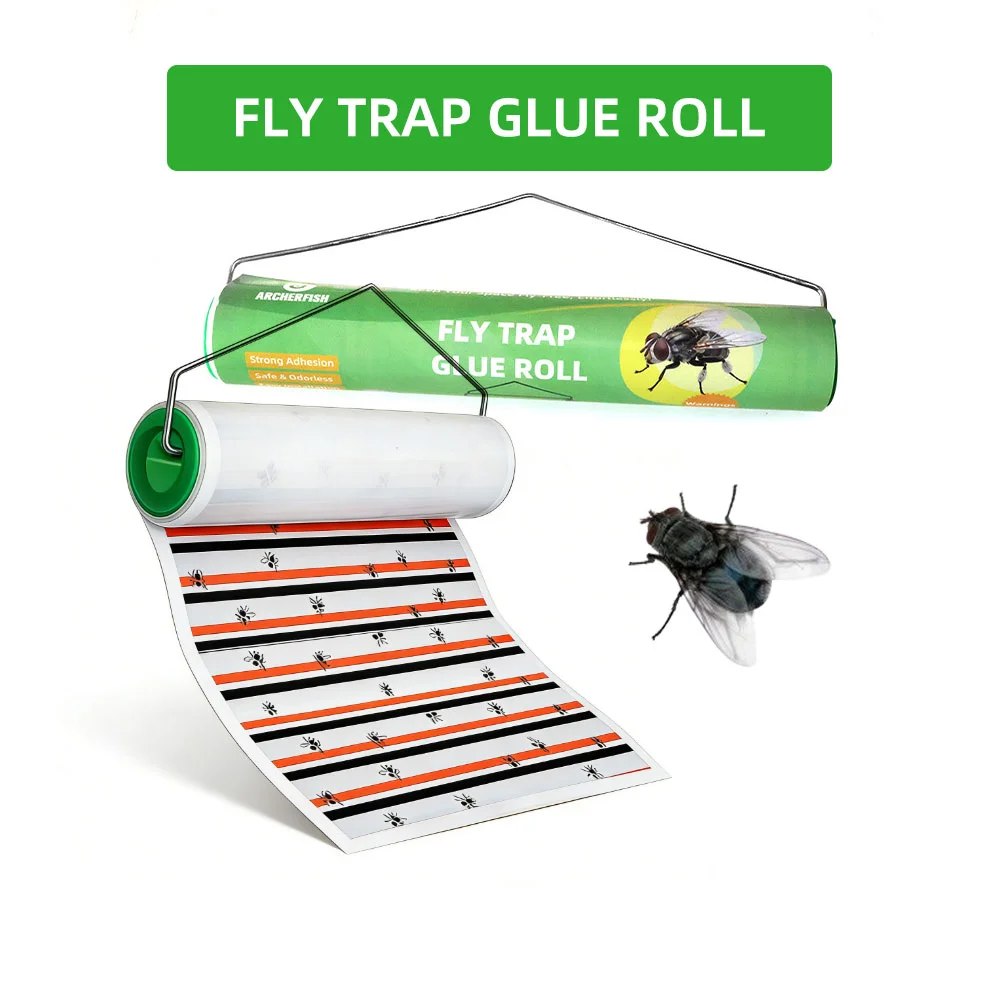
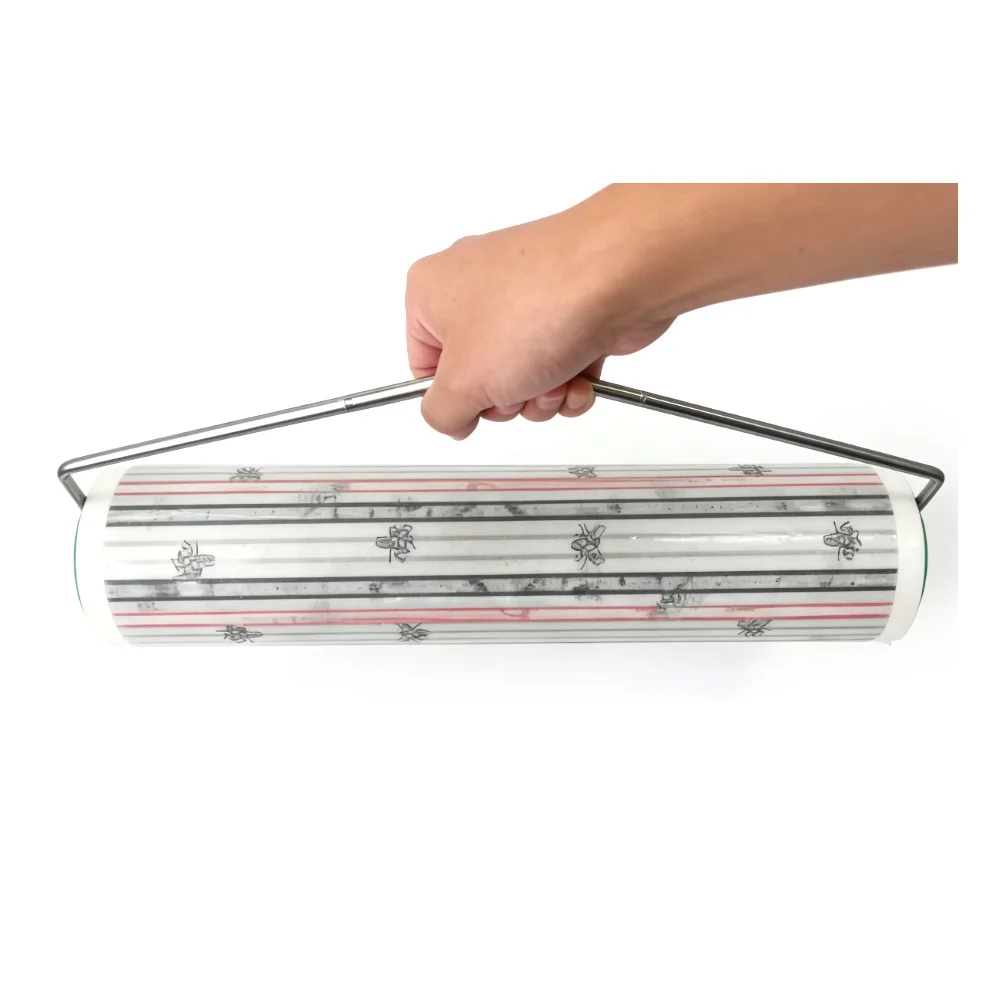
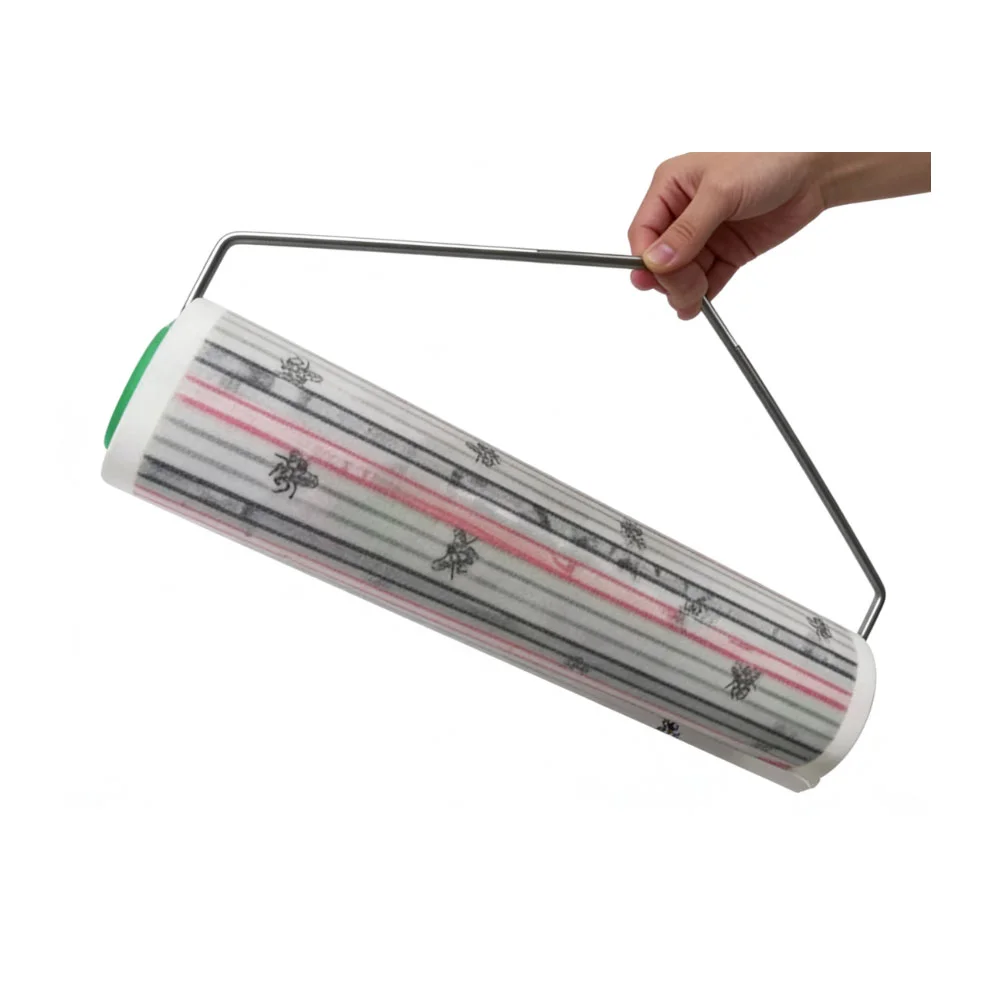
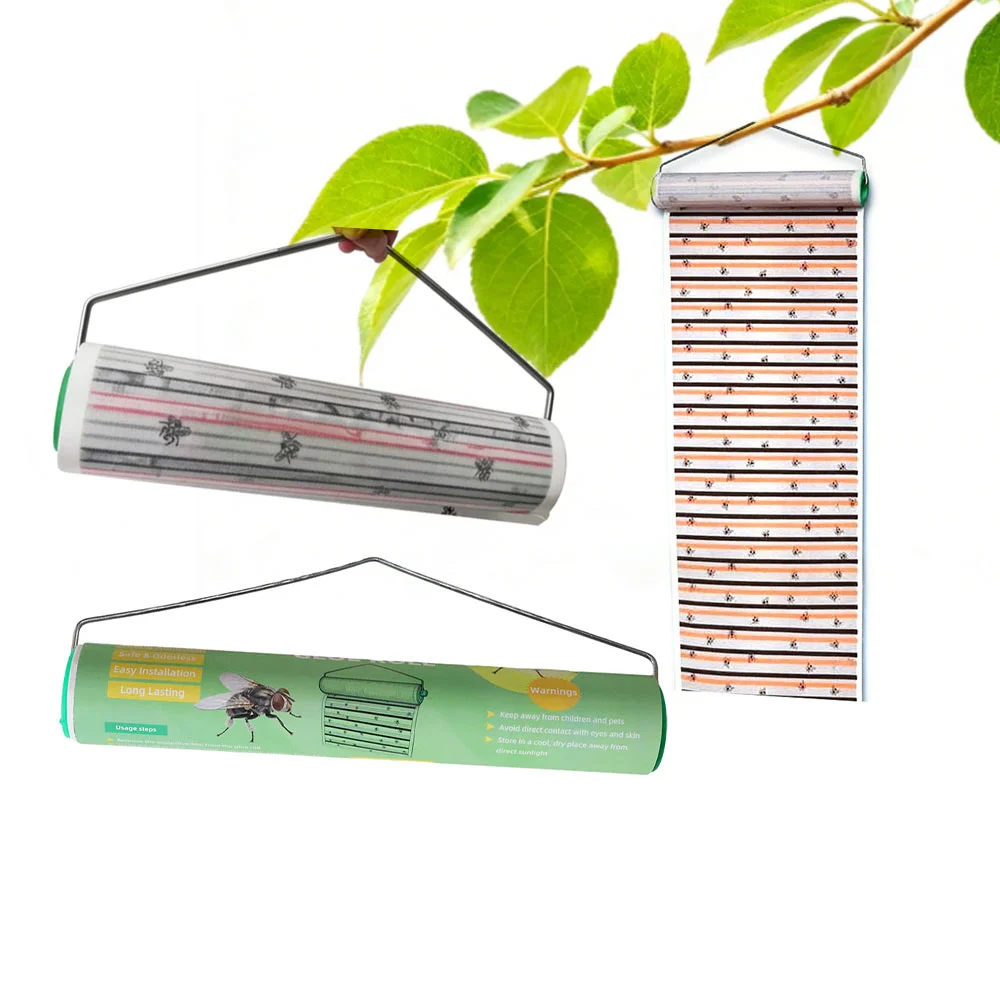
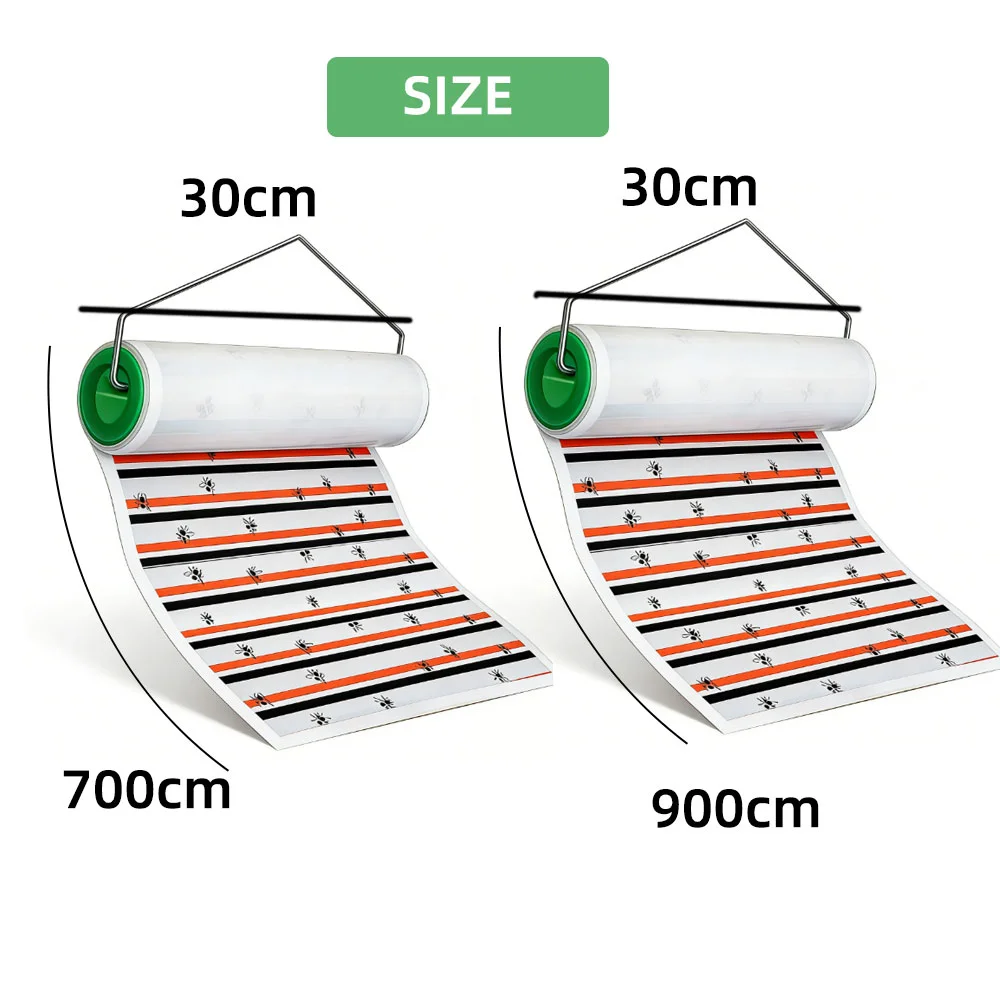
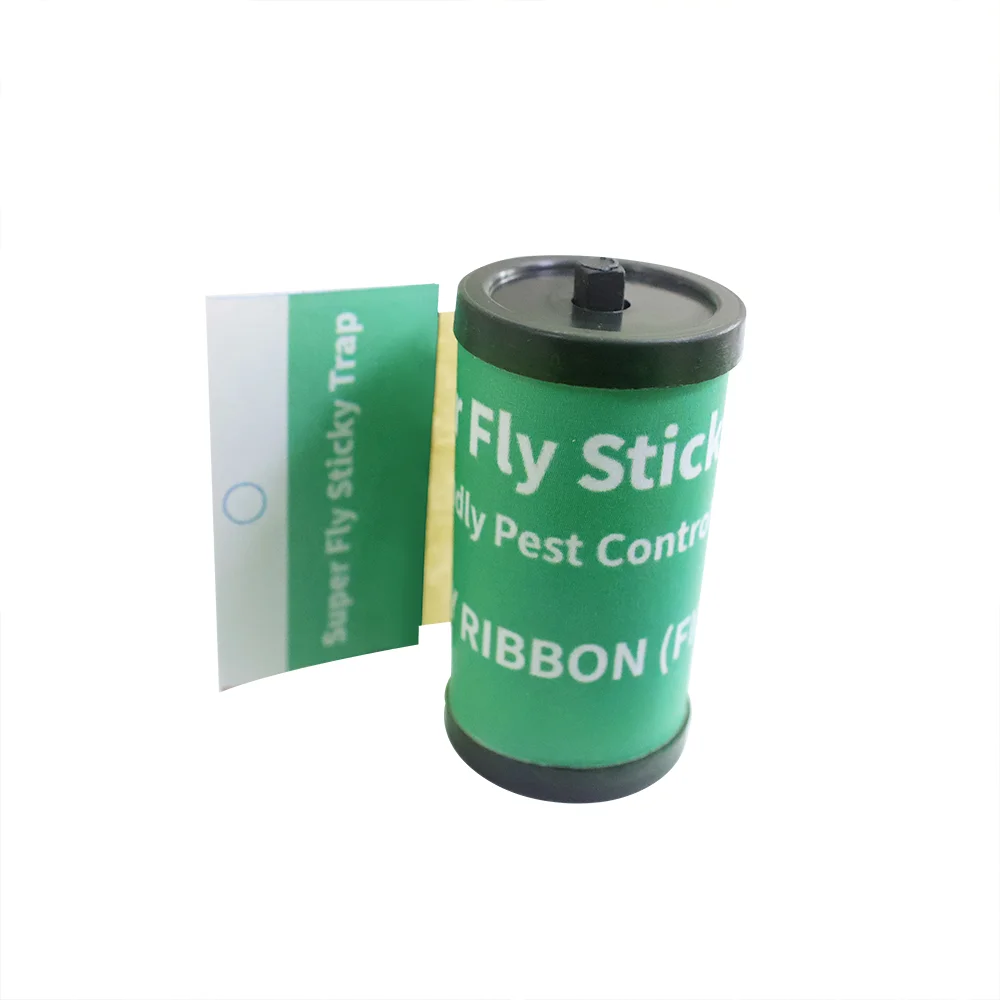
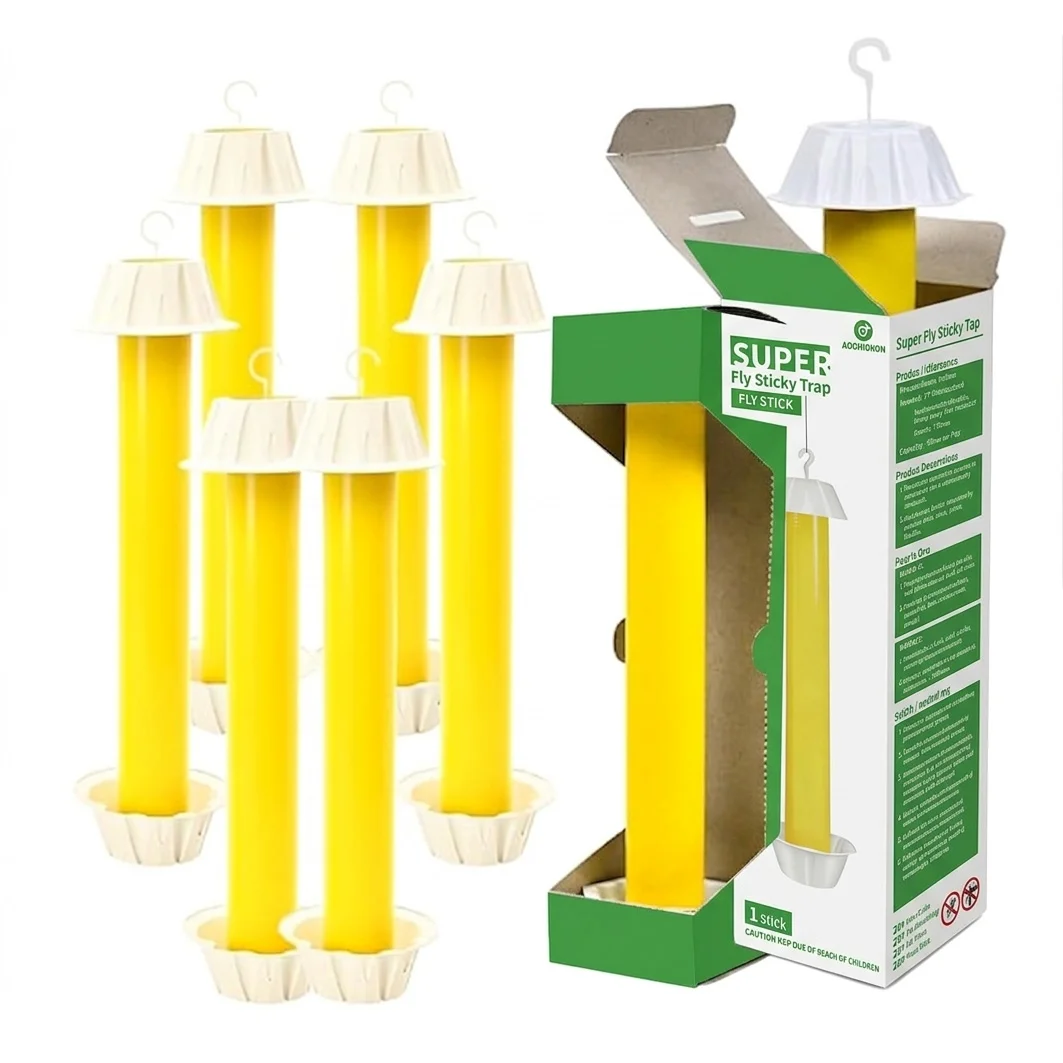
Strong Adhesive Fly Trap Glue Roll

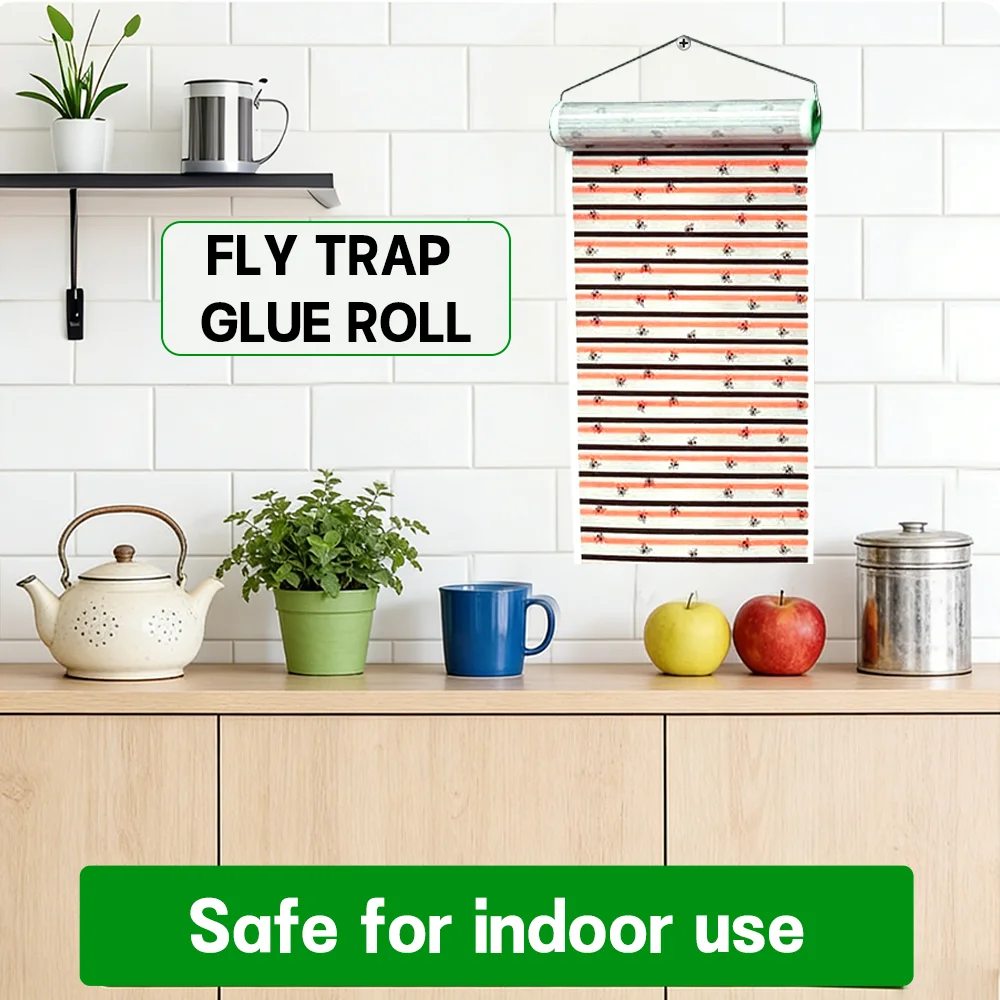
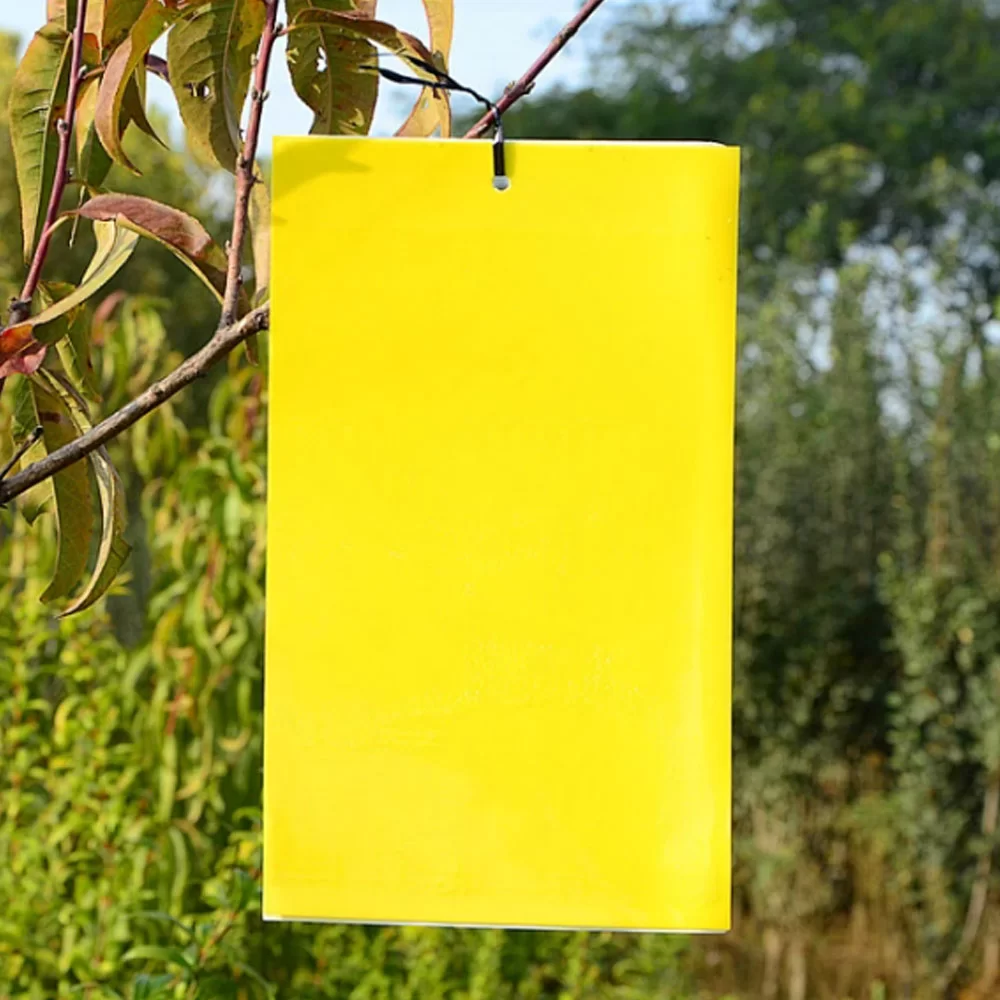
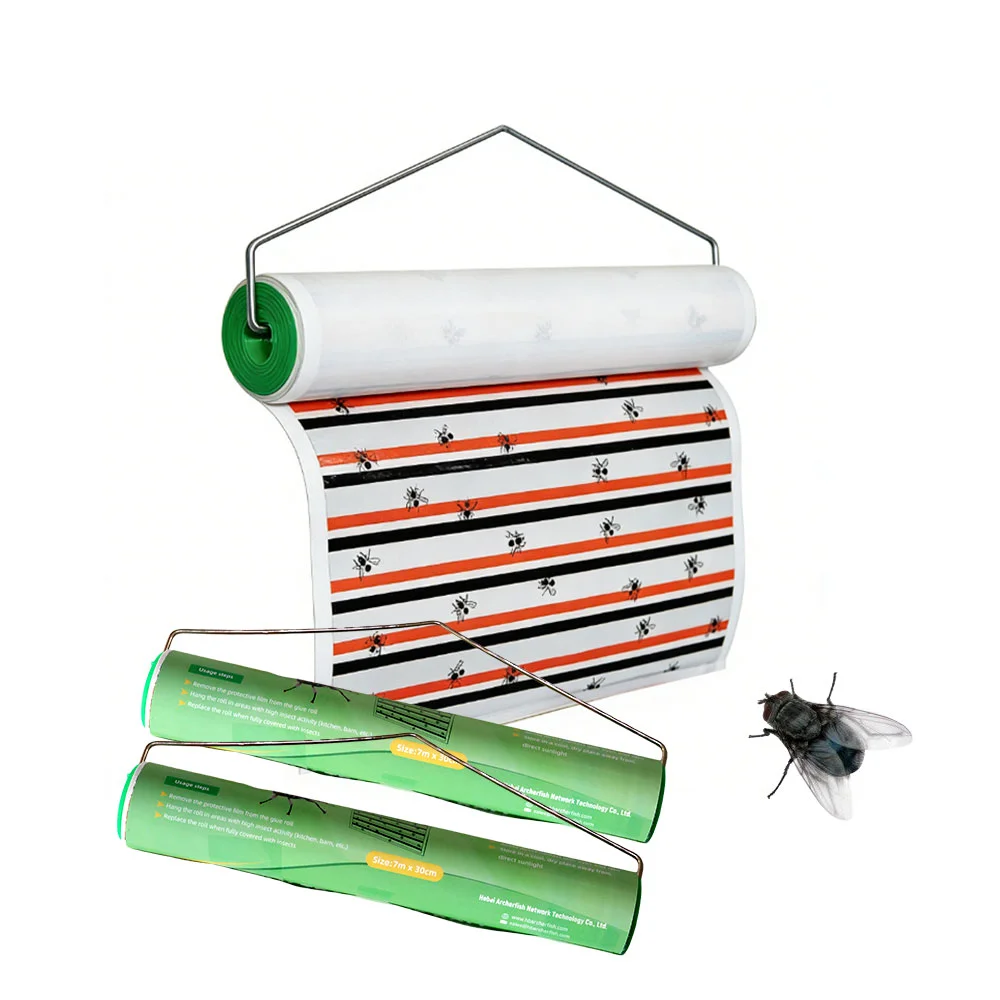
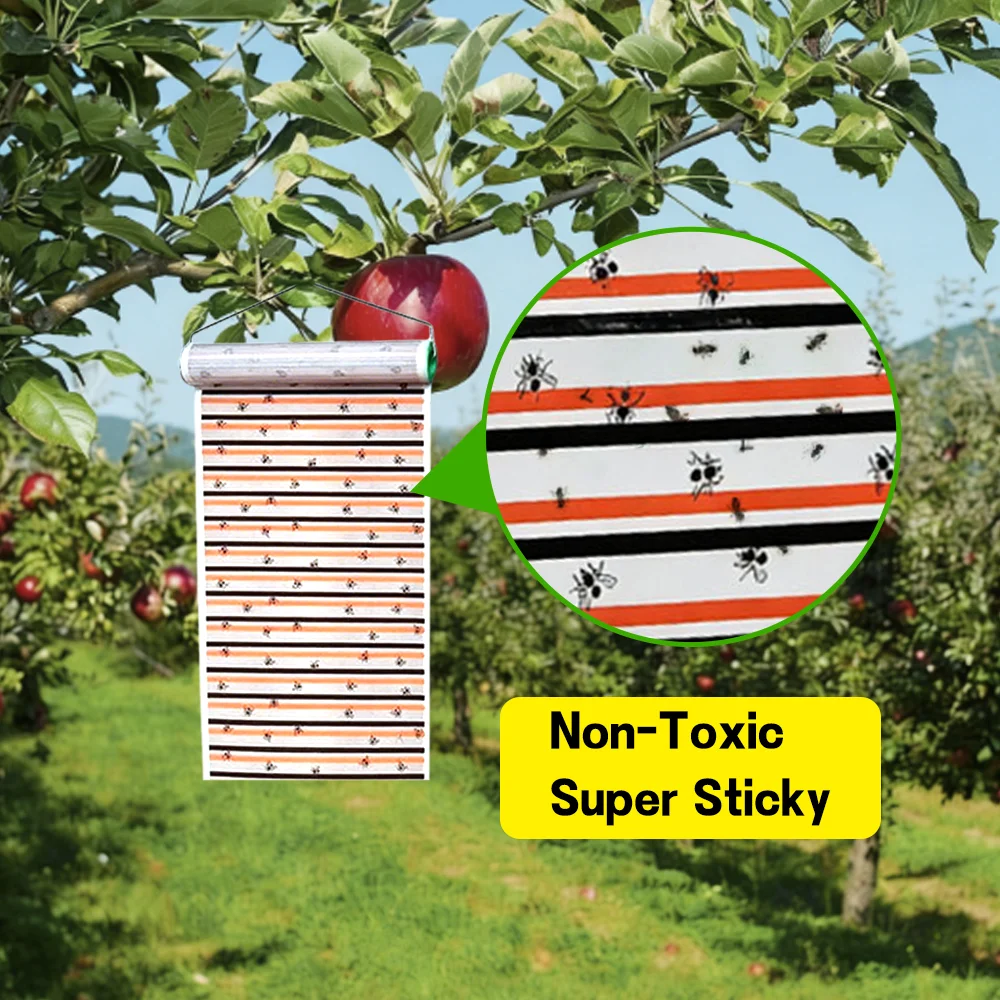
High-strength adhesive formula, non-toxic and odorless, safe for home and commercial use, effectively catches flying insects.

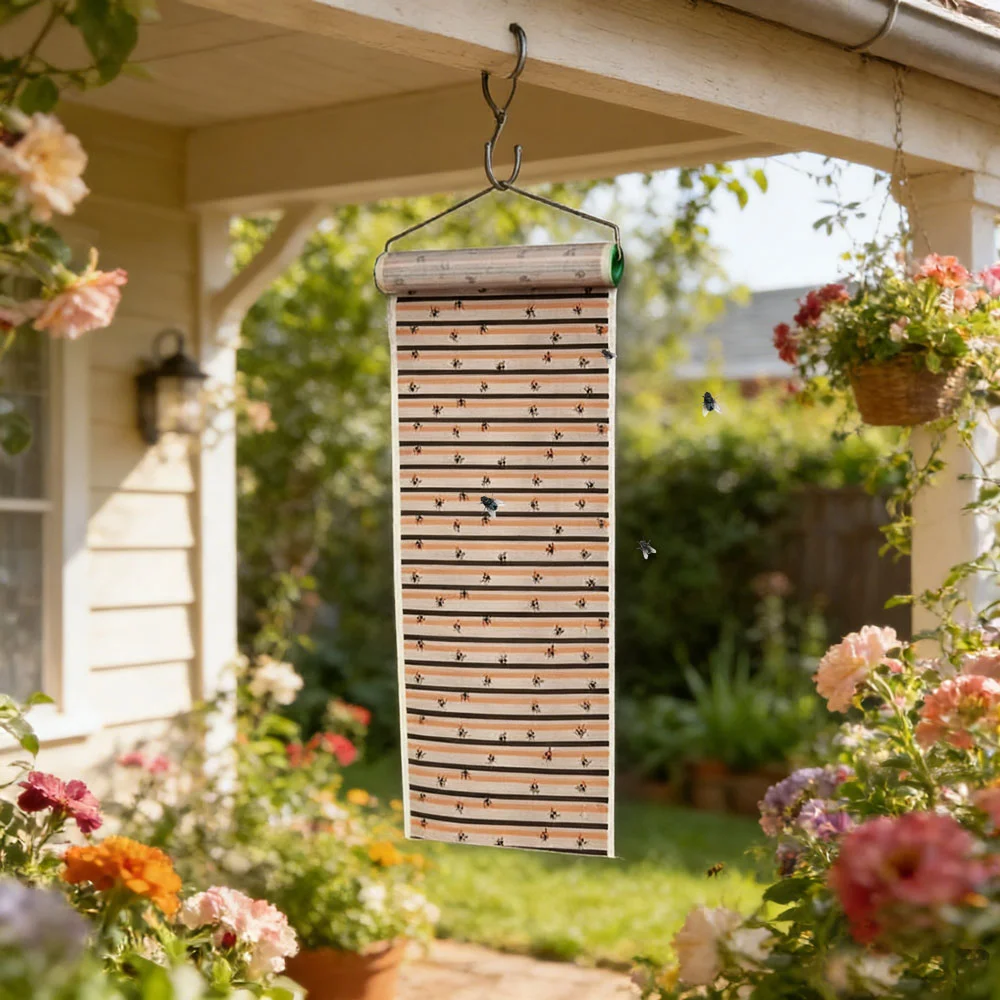
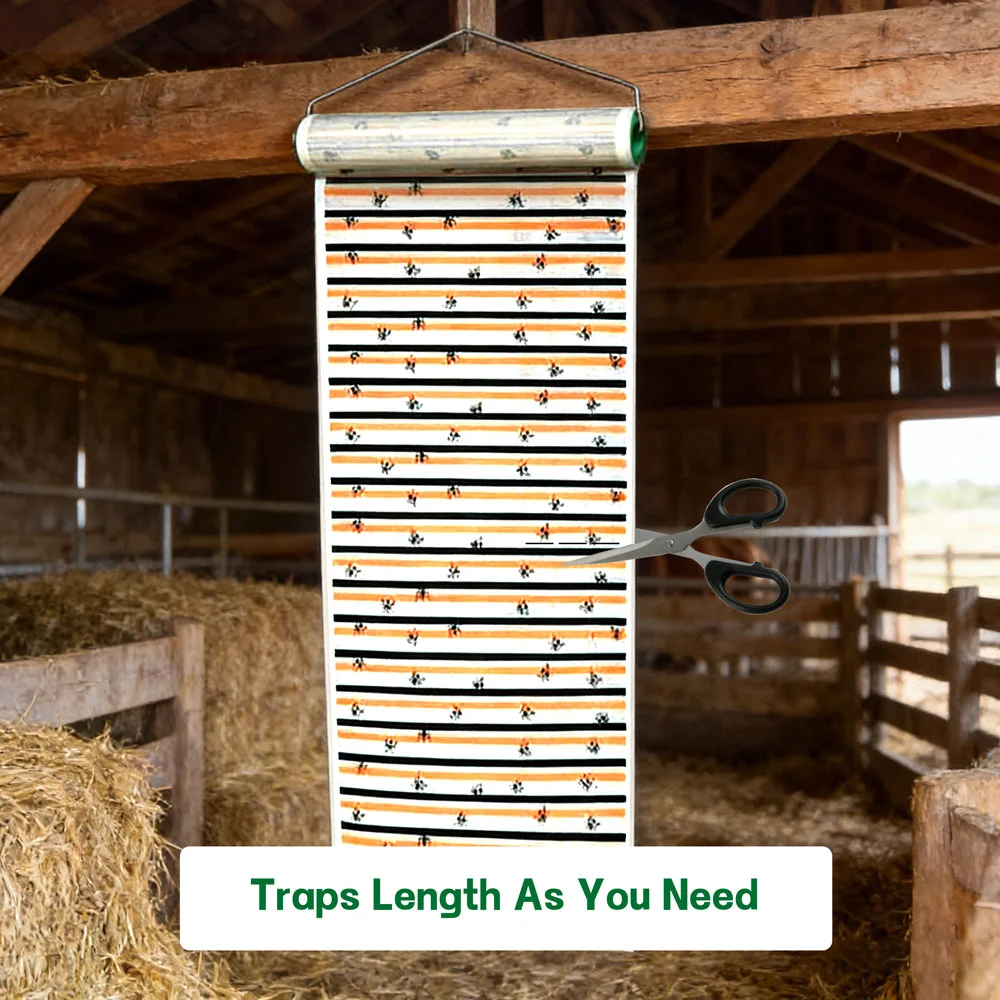
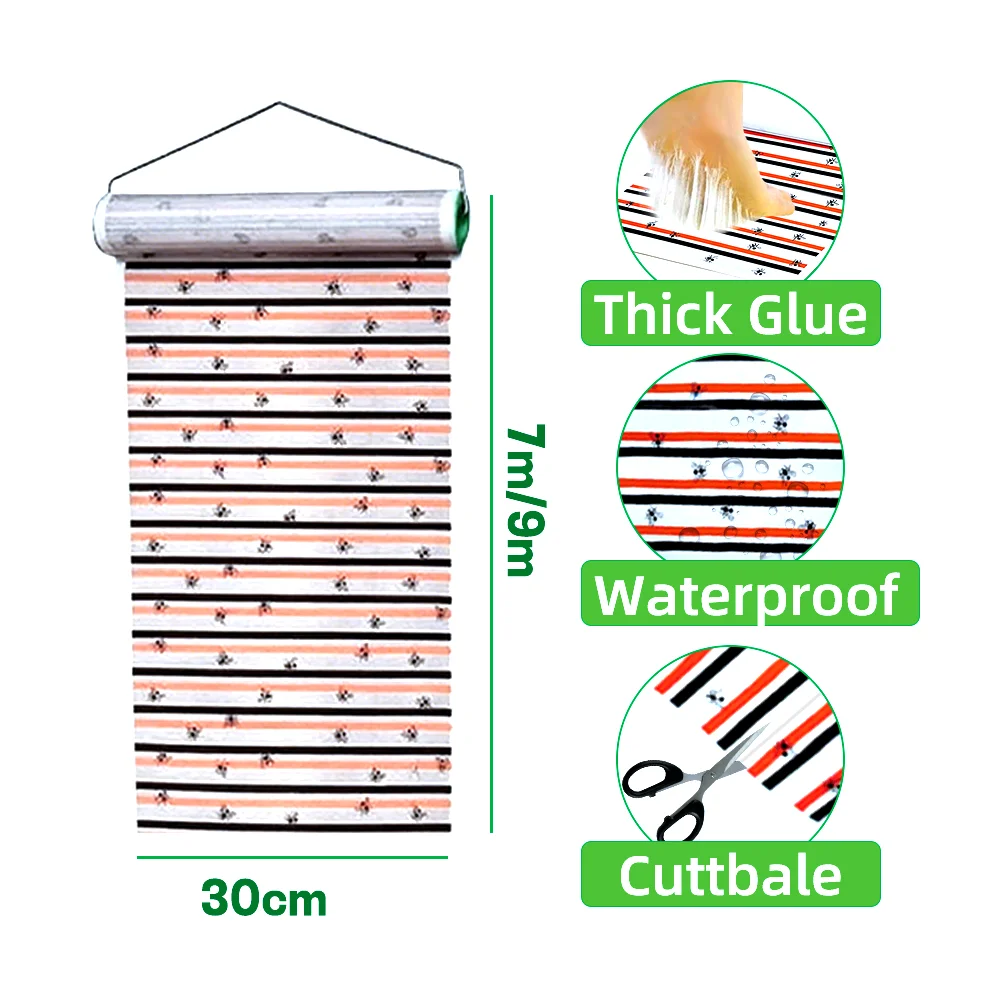
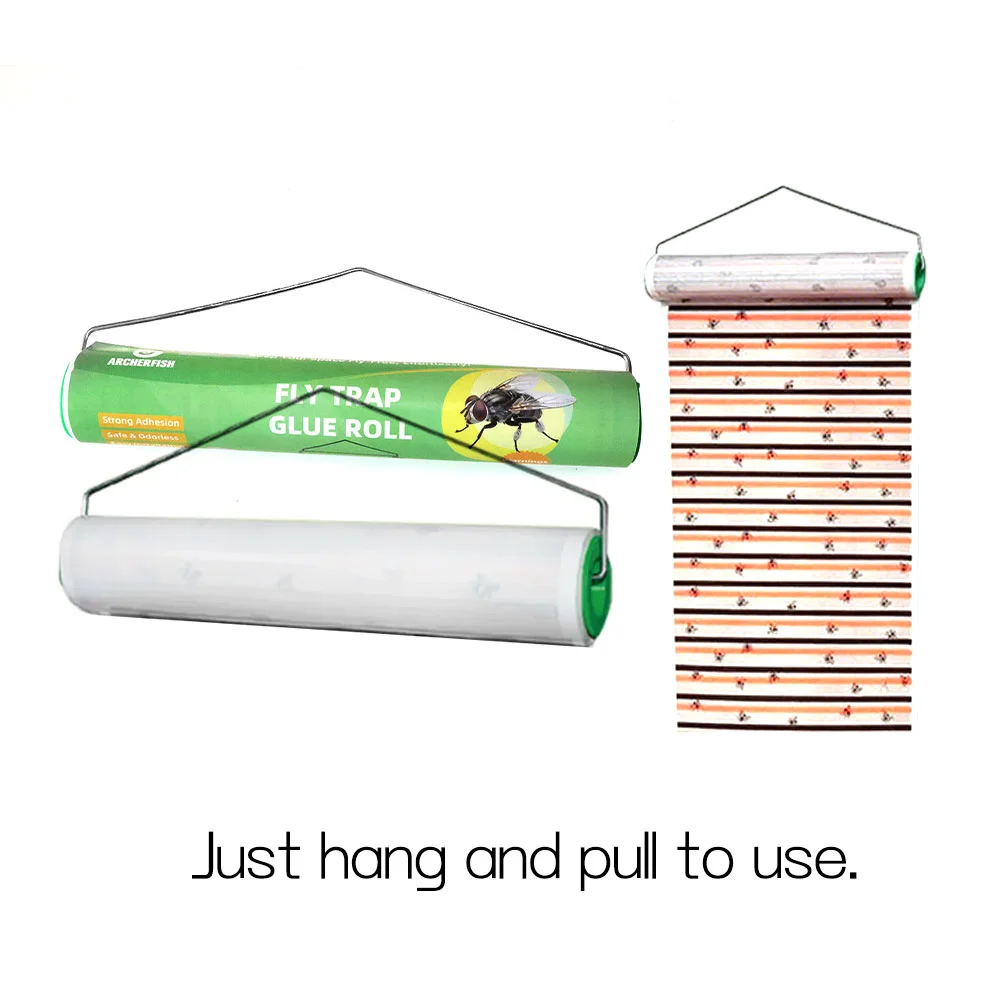
Easy to tear and use, can be cut to any length, suitable for various indoor and outdoor scenes.

Long-lasting sticky effect, waterproof and dustproof, maintains high stickiness for a long time.
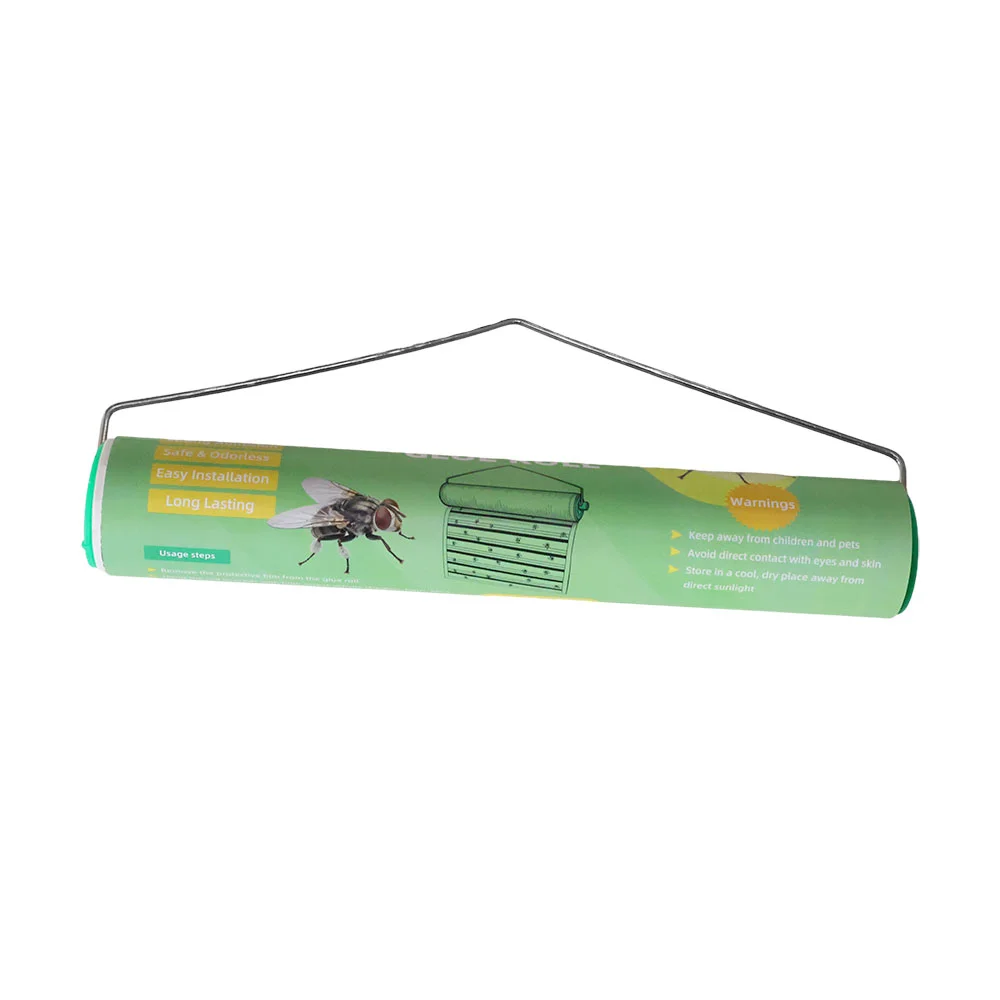
  • Strong Adhesive Fly Trap Glue Roll
  • Strong Adhesive Fly Trap Glue Roll
  • Strong Adhesive Fly Trap Glue Roll
  • Strong Adhesive Fly Trap Glue Roll

Features


Premium strong adhesive glue, instant capture of flies, mosquitoes and other flying pests, no escape.


Non-toxic, eco-friendly material, safe for children, pets and food contact areas.


Flexible roll design, easy to store and use, can be applied to walls, windows, kitchens, restaurants, farms.
Application


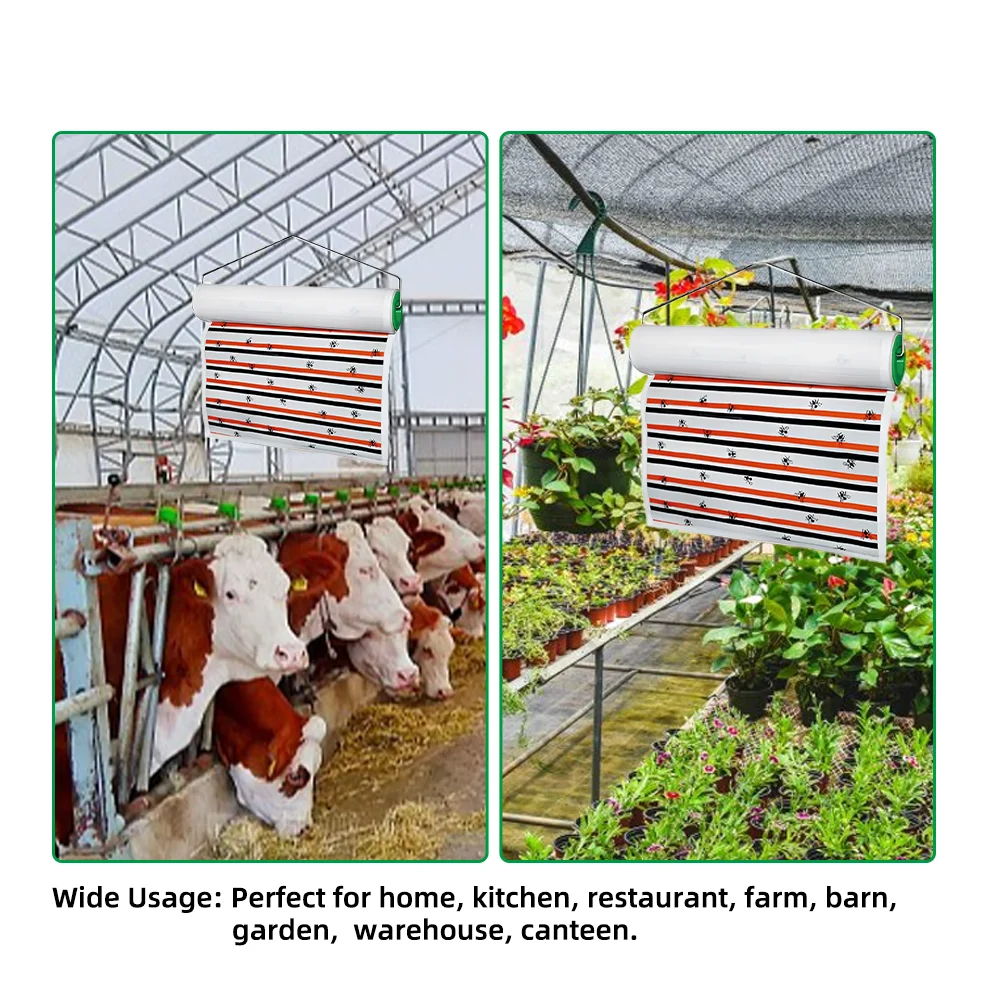
Widely used in homes, offices, restaurants, canteens, farms, shops and other places.


Suitable for indoor and outdoor pest control, efficient and hygienic, no chemical spray needed.

Are Sticky Bug Traps Poisonous? A Safe Solution for B2B Pest Control | HB Archerfish

Dec 09, 25

Are Sticky Bug Traps Poisonous? A Safe Solution for B2B Pest Control | HB Archerfish
Are Sticky Bug Traps Poisonous is a key solution in the […]
The Self-Locking Snake Tongs Mechanism

Dec 08, 25

The Self-Locking Snake Tongs Mechanism

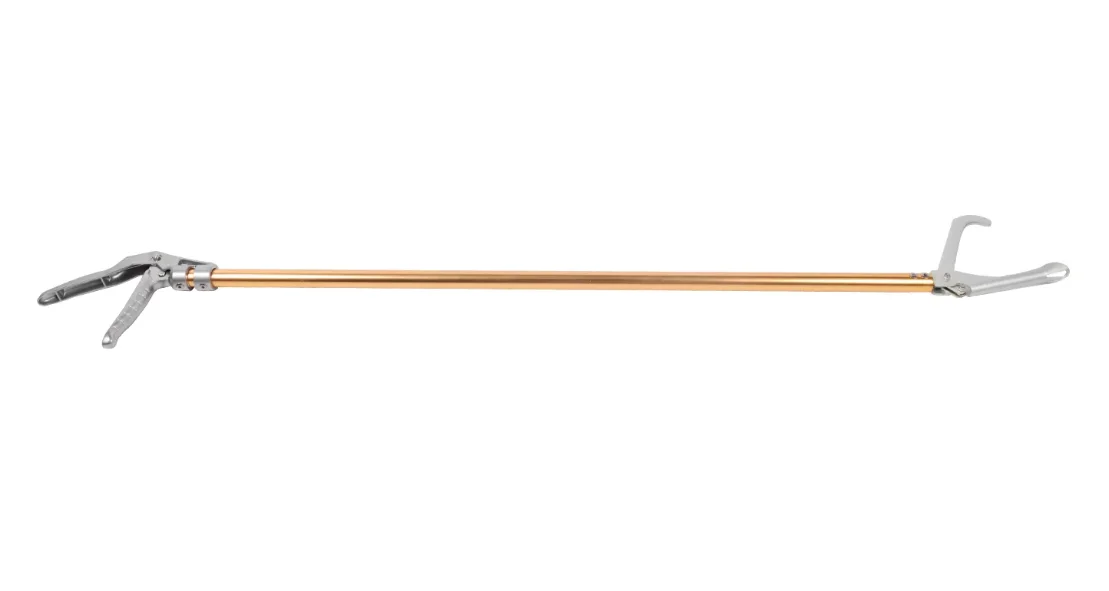
For pest control professionals, wildlife handlers, and property managers, safe and effective snake handling tools are non-negotiable—and snake tongs (also known as snake grabbers or snake catching tool) with a self-locking mechanism stand out as the gold standard. 
Exploring Prefabrication and Material Choices at a Modern Mouse Trap Factory

Jan 31, 26

Exploring Prefabrication and Material Choices at a Modern Mouse Trap Factory

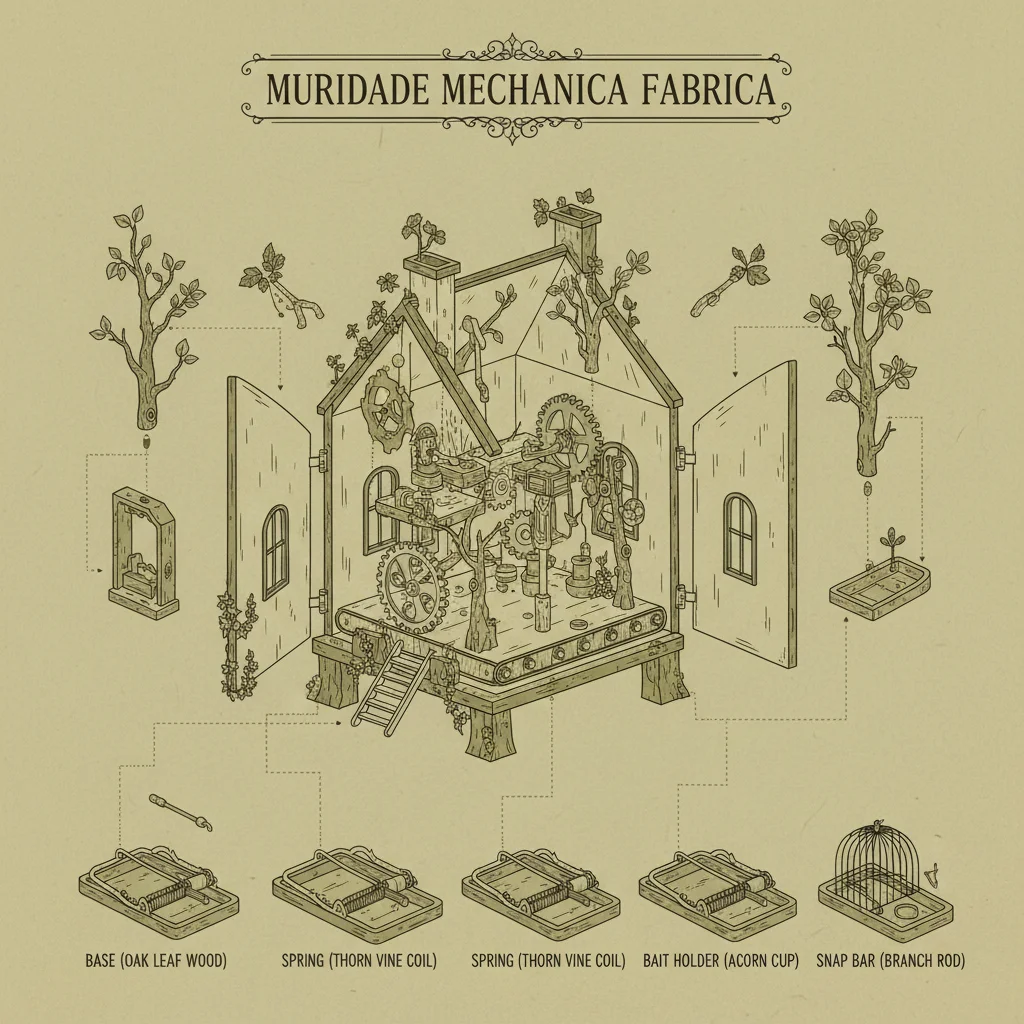
Honestly, the whole industry’s been buzzing about prefabrication. Everyone’s talking about modular designs, off-site construction... it's not new, mind you. We’ve been tinkering with this stuff for years. But now, with labor costs climbing and timelines shrinking, it’s finally getting some serious traction. It’s like everyone suddenly realized building things piece by piece in a factory is…well, more efficient. You wouldn’t think, right? You spend your whole career on a dusty construction site, then people tell you to move everything indoors. Seems backwards. But then you start looking at the details, and that’s when things get tricky. People think design is just about making it look good. It’s not. It's about making it work good, especially when you hand it to a guy who’s been swinging a hammer for twenty years and expects things to make sense. I've seen so many designs that looked great on paper, completely fall apart the moment someone tried to actually build them. We’re primarily working with a high-density polyethylene (HDPE) for the main body – it's tough, lightweight, and surprisingly forgiving. Smells a bit like… well, plastic, obviously. But a good grade HDPE, the stuff we source from that factory in Ningbo? It feels solid.
Understanding Animal Traps Design Applications and Ethical Considerations

Feb 05, 26

Understanding Animal Traps Design Applications and Ethical Considerations

Animal traps, encompassing a broad range of devices designed to remotely catch or restrain animals, are critical tools in a diverse set of fields. From wildlife management and conservation efforts to pest control and scientific research, these implements play a significant role in our interaction with the animal kingdom. Understanding their design, functionality, and ethical considerations is paramount for responsible and effective application. Globally, the use of animal traps is governed by varying regulations and ethical frameworks, reflecting differing cultural perspectives and conservation priorities. The need for effective and humane trapping methods is driven by increasing human-wildlife conflict, the spread of invasive species, and the imperative to protect endangered populations. According to the IUCN, sustainable wildlife management, often involving carefully deployed traps, is crucial for maintaining biodiversity and ecosystem health. The modern iteration of animal traps represents a significant advancement from historical predecessors.

If you are interested in our products, you can choose to leave your information here, and we will be in touch with you shortly.