The utilization of a small animal trap cage is a globally relevant practice, stemming from needs in wildlife management, pest control, and animal rescue. Its importance lies in providing a humane method for capturing and relocating animals, offering a solution that balances ecological concerns with practical requirements. Understanding the nuances of small animal trap cage construction, deployment, and ethical considerations is crucial for professionals and individuals alike who work with or around animal populations.
The demand for effective and ethical animal control solutions is increasing worldwide, driven by urbanization, agricultural expansion, and heightened awareness of wildlife conservation. The small animal trap cage addresses this demand by offering a non-lethal alternative to traditional trapping methods. According to the World Wildlife Fund, humane animal capture is a key component of successful conservation efforts, and appropriate trapping equipment like a robust small animal trap cage is essential for ensuring animal welfare during relocation.
The benefits extend beyond conservation. Effective population control via trapping minimizes human-wildlife conflict, reduces disease transmission, and protects agricultural yields. From research applications to preventative measures, the small animal trap cage serves a vital function in maintaining ecosystem health and safeguarding human interests.
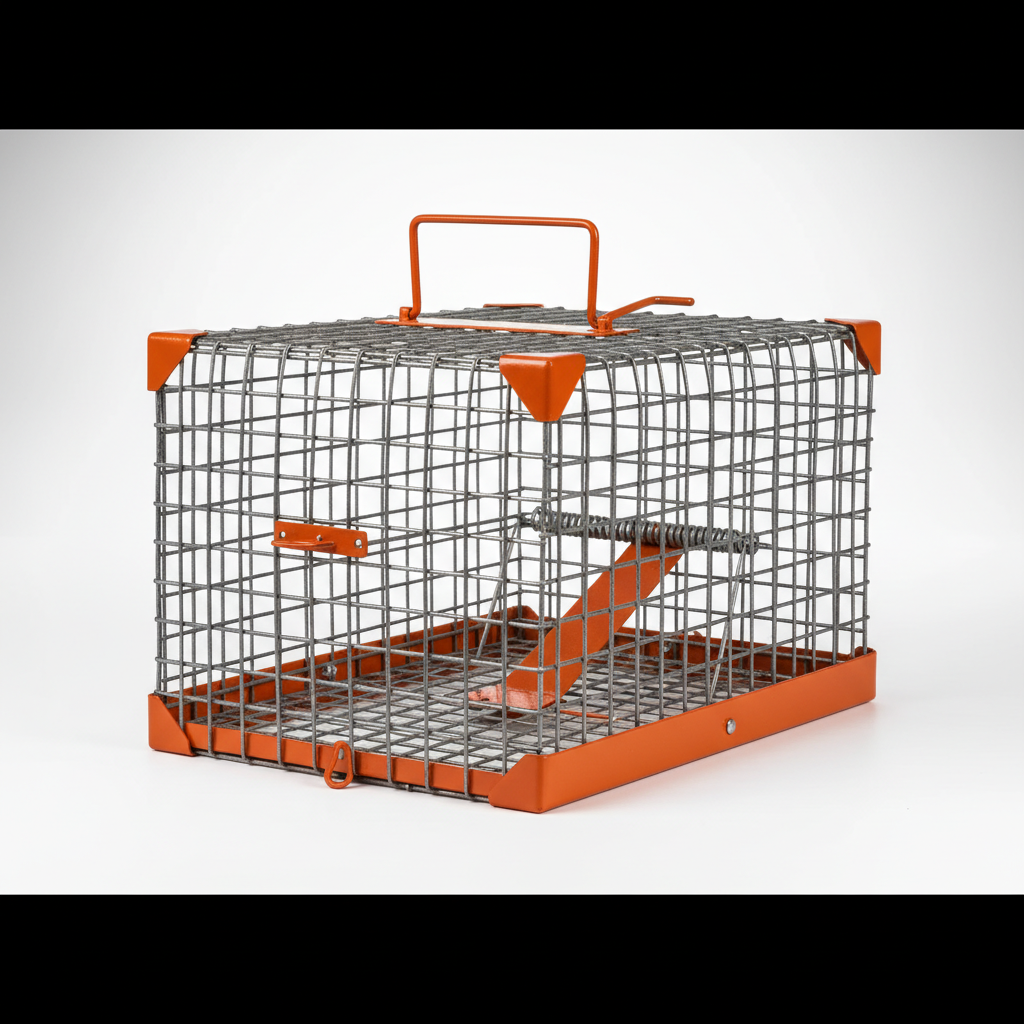
Introduction to small animal trap cage
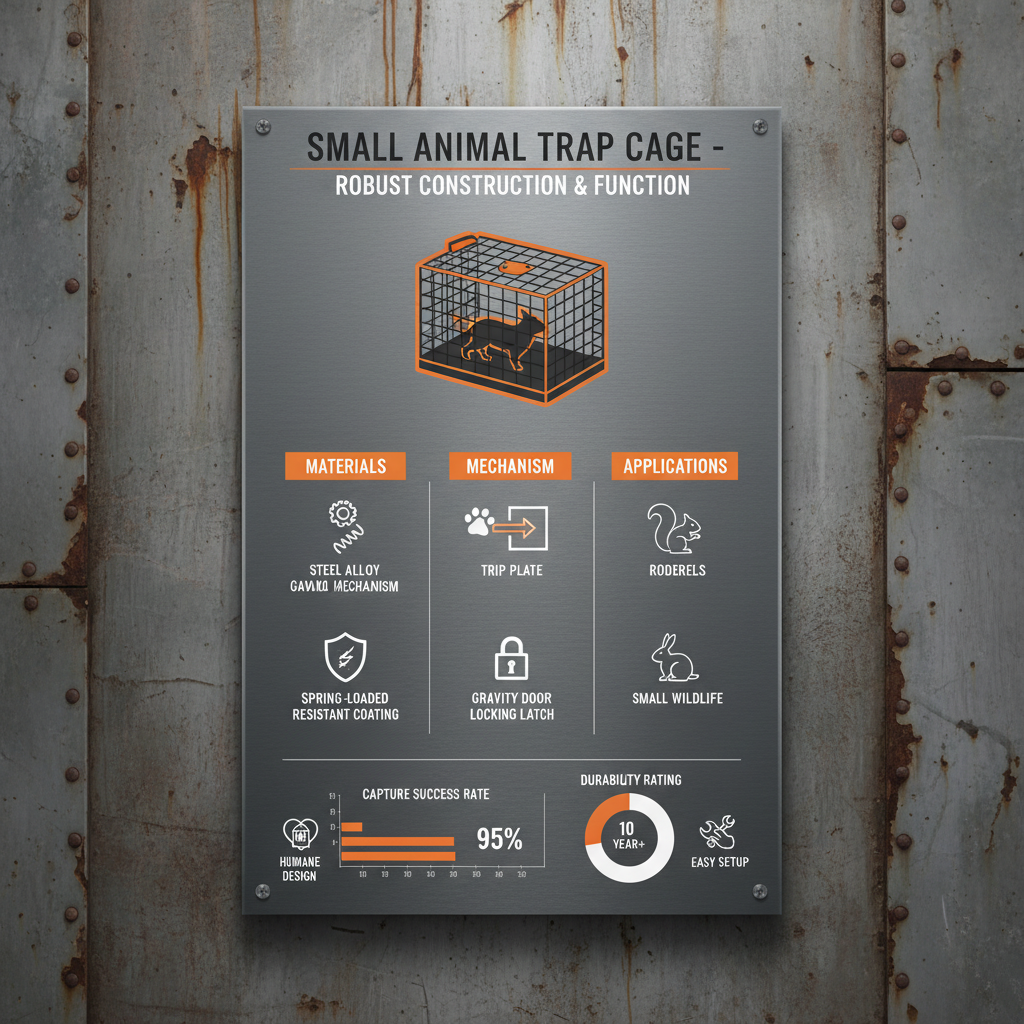
A small animal trap cage is a portable, enclosed structure designed for the humane capture of various small animals, ranging from rodents and rabbits to skunks and opossums. Its primary function is to contain the animal without causing harm, allowing for safe relocation or further management. Effective designs prioritize animal welfare, incorporating features like ventilation, secure latching mechanisms, and non-abrasive materials.
The increasing need for responsible wildlife management drives the demand for high-quality small animal trap cages. These cages are vital tools in both urban and rural settings, addressing issues like pest control in gardens and farms, wildlife rehabilitation efforts, and research projects focusing on animal behavior and population dynamics. A well-constructed small animal trap cage is a key investment in these critical areas.
Defining the small animal trap cage
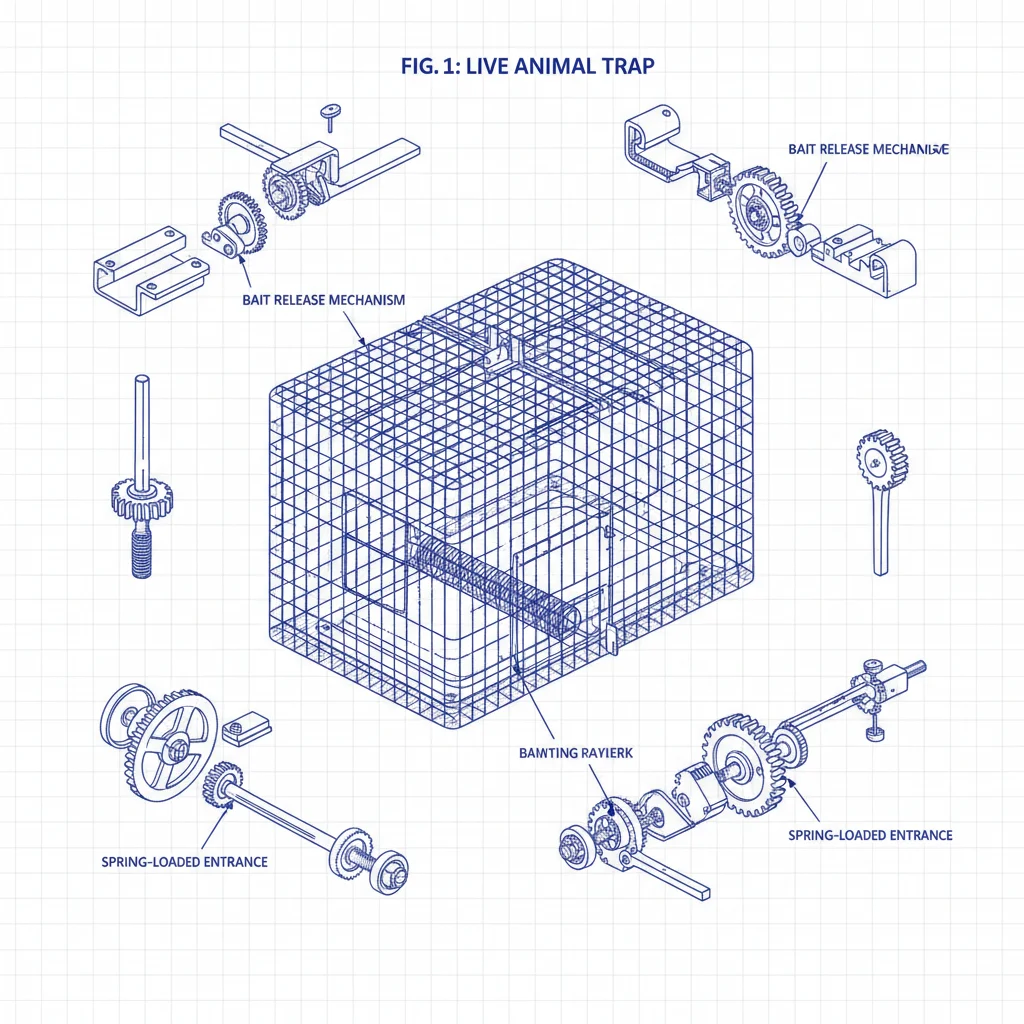
At its core, a small animal trap cage is a containment solution engineered for the safe and ethical capture of wildlife. It differs significantly from lethal traps, as its design focuses on retention rather than harm. Typically constructed from wire mesh or metal bars, the cage features a trigger mechanism linked to a door that closes when an animal enters to access bait.
The modern small animal trap cage is a direct descendant of historical trapping methods, refined through advancements in material science and a growing emphasis on animal welfare. Early traps often caused injury or stress; contemporary designs prioritize features that minimize these risks. This evolution reflects a broader societal shift towards more humane and sustainable approaches to wildlife management.
The connection to modern industry and humanitarian needs is evident in the cage's widespread application. From assisting animal control officers in removing nuisance animals from urban areas to facilitating the relocation of endangered species, the small animal trap cage is an indispensable tool for both professionals and conservationists.
Core Components of a small animal trap cage
Several key factors contribute to the effectiveness and ethical soundness of a small animal trap cage. First, durability is paramount. The cage must withstand repeated use and potential environmental factors like weather and animal stress, preventing breakage and ensuring consistent performance. A robust frame and secure wire mesh are crucial.
Secondly, trigger sensitivity is a vital aspect. The mechanism must be sensitive enough to activate with minimal disturbance, encouraging the animal to enter without hesitation, but also robust enough to avoid accidental closures. Adjustability is often desirable, allowing for customization based on the target species and bait type.
Ventilation is critical for animal welfare. Adequate airflow prevents overheating and reduces stress during capture and transport. The mesh size and placement must balance ventilation with security, preventing escape. Finally, ease of use contributes to the overall value of the cage. A simple loading and unloading mechanism, along with comfortable carrying handles, enhance efficiency for the operator.
Global Applications of the small animal trap cage
The applications of the small animal trap cage are diverse and span multiple continents. In North America, they are frequently used for raccoon and skunk removal from residential areas, as well as for trapping opossums and groundhogs in agricultural settings. In Europe, similar cages are employed for managing rabbit and hare populations, particularly in areas where they pose a threat to crops.
In Australia, the small animal trap cage plays a significant role in controlling invasive species like feral cats and foxes, which threaten native wildlife. In developing countries, they are often utilized by public health organizations to monitor and control rodent populations, reducing the spread of diseases. Post-disaster relief operations sometimes employ these cages for capturing displaced animals and ensuring their safety.
Organizations like the Humane Society International rely on humane trapping methods, and therefore utilize high-quality small animal trap cages for animal rescue and rehabilitation programs worldwide. From scientific research initiatives to wildlife management projects, this tool has become an integral part of responsible animal handling practices across the globe.
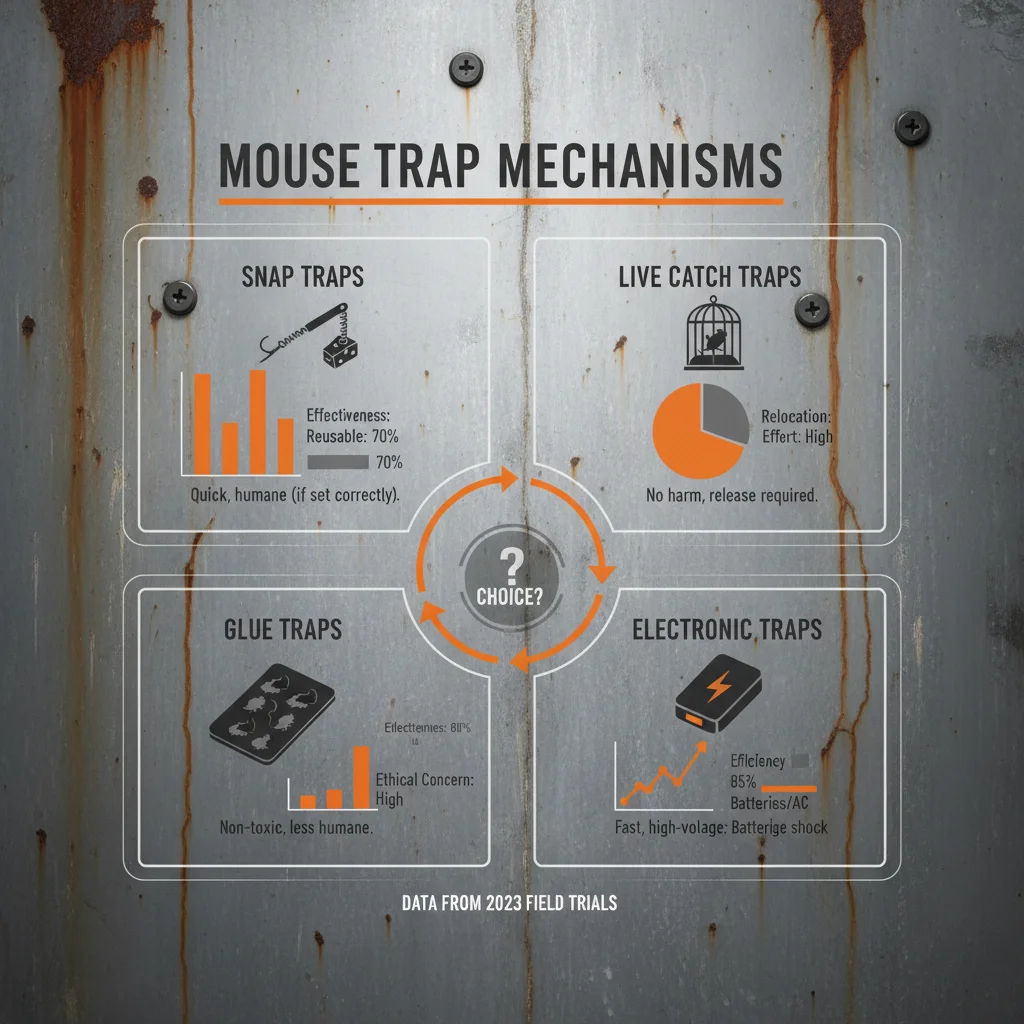
small animal trap cage Effectiveness by Method
Advantages and Long-Term Value
The primary advantage of utilizing a small animal trap cage is its humane approach to animal control. Unlike lethal traps, it allows for the safe capture and relocation of animals, minimizing suffering and promoting ethical wildlife management. This is not only morally responsible but also often legally required in many jurisdictions.
The long-term value extends beyond animal welfare. Effective population control through trapping can prevent damage to property, reduce the spread of diseases, and protect agricultural yields. Investing in a durable small animal trap cage is a cost-effective solution compared to the expenses associated with property repairs, medical treatments, or crop losses.
Future Trends in small animal trap cage Technology
The future of small animal trap cage technology is likely to be shaped by advancements in materials science and smart technology. We can anticipate the development of lighter, more durable cages constructed from recycled or bio-degradable materials, reducing environmental impact.
"Smart traps" equipped with sensors and remote monitoring capabilities are also on the horizon. These devices could alert users to capture events in real-time, provide data on animal behavior, and even allow for remote door operation, increasing efficiency and minimizing human intervention. This aligns with the growing trend of digital transformation in wildlife management.
Challenges and Solutions in small animal trap cage Use
One common challenge is non-target captures – accidentally trapping animals other than the intended species. This can be mitigated by carefully selecting bait, strategically positioning the cage, and regularly monitoring its contents. Another challenge is animal stress during capture and confinement.
Providing adequate ventilation, minimizing exposure to extreme temperatures, and ensuring prompt relocation can alleviate stress. Furthermore, responsible trap operators must prioritize animal welfare by checking traps frequently and avoiding prolonged confinement. Education and training programs are crucial for promoting best practices and addressing ethical considerations.
Finally, legal restrictions on trapping can vary significantly by region. Staying informed about local regulations and obtaining necessary permits are essential for ensuring compliance and avoiding legal repercussions.
A Comparative Analysis of Small Animal Trap Cage Variables
| Cage Material |
Trigger Sensitivity |
Ease of Cleaning |
Portability Score (1-10) |
| Galvanized Steel |
High |
Moderate |
6 |
| Powder-Coated Wire |
Medium |
Easy |
7 |
| Stainless Steel |
High |
Very Easy |
5 |
| Aluminum |
Low |
Moderate |
8 |
| Plastic-Coated Wire |
Medium |
Easy |
6 |
| Recycled Polymer |
Variable |
Very Easy |
7 |
FAQS
The most effective bait depends on the target species. For rodents, peanut butter, seeds, or fruit are excellent choices. For rabbits, carrots, apples, or leafy greens work well. Skunks are often attracted to canned fish or marshmallows. Avoid using overly aromatic baits that could attract non-target animals. Always check local regulations regarding bait restrictions. Using a small animal trap cage in conjunction with appropriate bait significantly increases your success rate.
It's crucial to check a small animal trap cage at least twice daily, and ideally more frequently, especially in extreme weather conditions. Prolonged confinement can cause unnecessary stress and dehydration to the animal. Regularly checking also minimizes the risk of non-target captures and ensures the animal is relocated promptly. Responsible trap operation is a cornerstone of humane wildlife management, and small animal trap cage use requires diligence.
If you capture an animal you didn't intend to trap, carefully release it unharmed as quickly as possible. Avoid direct contact with the animal to prevent bites or scratches. If you are unsure how to safely release the animal or if it appears injured, contact a local animal control agency or wildlife rehabilitator for assistance. Understanding your local fauna and using appropriate bait can help minimize non-target captures when using a small animal trap cage.
The legality of using small animal trap cages varies significantly by location. Some areas may require permits, while others may have restrictions on the types of traps allowed or the species you can target. It is your responsibility to research and comply with all local, state, and federal regulations before using a trap. Ignoring these regulations can result in fines or other penalties. Before utilizing a small animal trap cage, verify local laws.
After each use, thoroughly clean and disinfect the trap to prevent the spread of diseases. Remove all traces of bait and debris. Wash the cage with a solution of warm water and mild dish soap. Rinse thoroughly and then disinfect with a diluted bleach solution (1 part bleach to 9 parts water). Allow the cage to air dry completely before storing or reusing it. Proper hygiene is crucial when using a small animal trap cage.
The appropriate size trap depends on the target species. Smaller cages are suitable for rodents, while larger cages are needed for rabbits, opossums, or skunks. The cage should be large enough to allow the animal to stand, turn around, and lie down comfortably without feeling overly cramped. A properly sized small animal trap cage increases the likelihood of a successful and humane capture.
Conclusion
In conclusion, the small animal trap cage represents a critical tool in modern wildlife management, offering a humane and effective solution for various challenges ranging from pest control to conservation efforts. Its value lies not only in its practical applications but also in its contribution to ethical animal handling and ecosystem health. Understanding its core components, global applications, and future trends is essential for anyone involved in wildlife-related activities.
Looking ahead, continued innovation in materials and smart technology promises to enhance the functionality and sustainability of these cages. By embracing best practices, staying informed about regulations, and prioritizing animal welfare, we can maximize the benefits of small animal trap cages while minimizing potential risks. For reliable and ethically-sourced solutions, visit our website: www.hbarcherfish.com.